Attic Wildlife Cleanup Cost in Florida: Prices & Tips
- Pro Wildlife Removal
- Blog
How much does attic wildlife cleanup cost in Florida?
If you have animals in your attic, the first call should be to a licensed wildlife removal services provider who will remove animals safely and outline cleanup and repair costs. The phrase attic wildlife cleanup cost in Florida explains the total you can expect to pay for removal, decontamination, insulation work, and structural repairs. This page breaks down realistic price ranges by species, shows which items drive the bill, and includes real homeowner experiences from community forums and inspection data so you can budget and act with confidence.
Why the costs vary so much
Three things determine price: the species involved, how long animals have occupied the attic, and the extent of contamination or structural damage. Bats produce guano that can create a health hazard and usually means a specialized decontamination protocol. Raccoons and opossums can rip insulation and damage soffits. Rodents chew wiring and spread urine. Some of the largest cost increases come from insulation replacement, odor removal, and repair of entry points and roofing. The Centers for Disease Control and Prevention and the Florida Fish and Wildlife Conservation Commission note that disease and legal protections sometimes require extra steps that add cost.
Quick cost summary table
| Species | Typical removal | Attic cleanup & decontamination | Repairs (insulation, soffits, roof) | Estimated total |
|---|---|---|---|---|
| Raccoons | $200 -$700 | $400 6$1,500 | $300 6$2,500 | $900 6$4,700 |
| Bats (including guano) | $200 – $800 | $600 6$3,000 | $200 6$1,200 | $1,000 6$5,000+ |
| Rats / mice | $150 – $600 | $300 6$1,200 | $100 6$1,000 | $550 6$2,800 |
| Squirrels | $150 – $600 | $250 6$1,000 | $150 6$1,200 | $550 6$2,800 |
| Dead animal removal | $75 – $300 | $200 6$1,200 | Varies | $275 6$1,700+ |
Sources for ranges include nationwide market surveys such as HomeAdvisor and Angi for labor and cleanup costs, industry experience, and regional reports. Actual bills fluctuate by city and job complexity; heavy guano or nesting material raises cleanup costs rapidly.
What a full attic cleanup involves
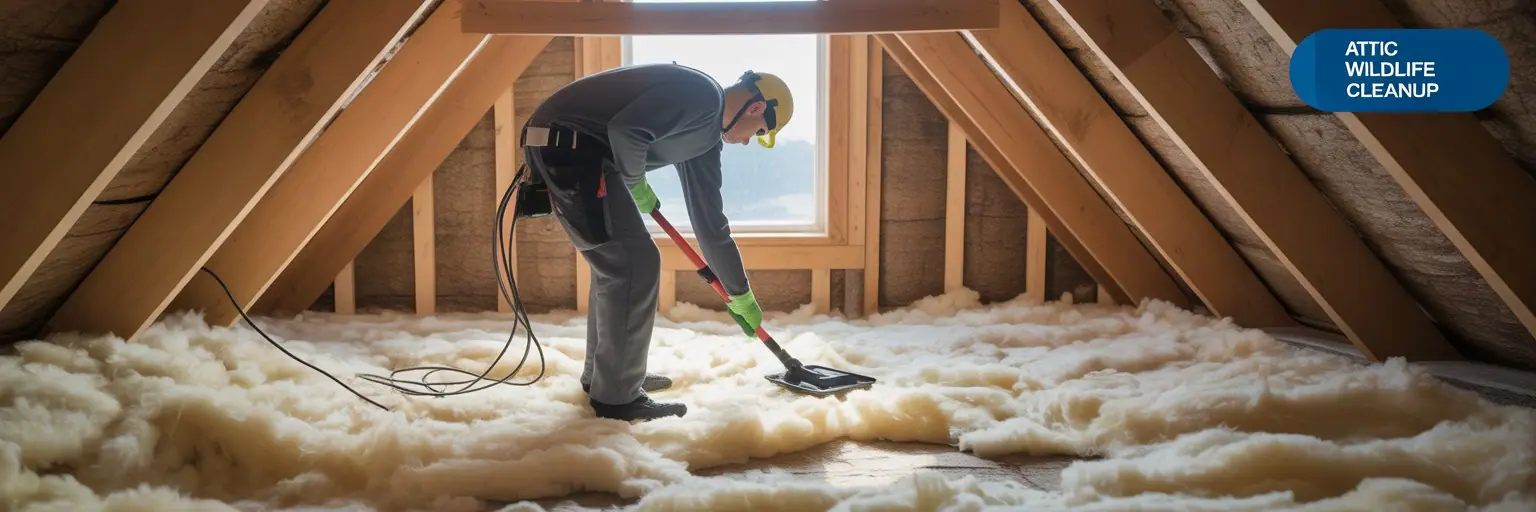
Professional attic cleanup is more than bagging droppings. Expect the following steps:
- Inspection: Confirm species, locate entry points, and map contamination.
- Humane removal: Live-capture, one-way exclusions, or licensed removal for protected species.
- Sanitization and deodorization: HEPA vacuuming, antimicrobial treatments, and odor control to remove pathogens and spores.
- Insulation handling: Either removal of contaminated insulation or adding new insulation over matted material, depending on contamination level.
- Repairs and exclusion: Seal and repair soffits, vents, roofing, and eaves to prevent reentry.
- Follow-up monitoring: Re-inspection to ensure exclusion worked and no remaining animals are trapped.
Species-specific cost drivers
Raccoons
Raccoons often cause the highest repair bills because they can tear roofing, soffits, and venting. Removing an adult raccoon family and repairing entry points plus replacing heavily soiled insulation can push a job into the thousands. One Reddit homeowner who inspected a house after raccoons found that full insulation removal and replacement was estimated at about $6 per square foot rather than simply topping-up with new insulation at about $3 per square foot. That local data point is why you should ask a contractor to quote both removal-only and removal-plus-insulation replacement scenarios when budgeting.
Bats and guano
Bats create a different problem: guano contamination carries the risk of histoplasmosis and requires careful PPE, HEPA cleaning, and sometimes structural venting and insulation replacement. Bat-related cleanup can easily exceed typical rodent cleanup because of the health protocols involved. The Florida Fish and Wildlife Conservation Commission has rules for bat handling that may slow the job and increase labor costs.
Rodents
Mice and rats are cheaper to remove but often require thorough cleanup because urine soaks insulation and wiring. Electrical repair is a hidden cost; chewed wiring can be a fire hazard. Typical rodent attic cleanups are on the lower end of the table unless wiring or ductwork requires repair.
Real homeowner stories and cautionary tales from community forums
Discussion boards and inspection reports reveal three recurring realities you should plan for:
- Insulation cost trade-offs: A homeowner on HomeImprovement reported two quotes: full insulation removal at about $6 per square foot versus blowing new insulation on top at $3 per square foot. That illustrates why cleanup quotes can double depending on contamination.
- Trapping by accident: A verified Reddit update described a squirrel that became trapped when roofers sealed an access gap before all animals had exited. The homeowner needed a pro to open drywall and remove the animal. That incident highlights why sequencing removal and exclusion properly is critical.
- Secondary infestations and bites: One user described severe flea problems after a raccoon occupied their attic, including dozens of bites and extended treatment before the infestation cleared. Flea remediation and vet bills for pets add to the total cost.
Breakdown: Typical job cost example
Example estimate for a single-family home in Florida with a raccoon family that nested for several months:
- Initial inspection and removal: $450
- Dead animal removal (if needed): $150
- Attic sanitization and HEPA cleaning: $900
- Insulation removal and replacement (800 sq ft at $6/sq ft): $4,800
- Roof and soffit repairs / exclusion work: $900
- Total estimate: $7,200
Smaller jobs such as mouse removal with partial insulation cleanup may be under $800. Bats with heavy guano can reach $3,000 to $5,000 for complete remediation and exclusion.
Ways to save money without cutting corners
- Early inspection: The sooner you act, the less contamination and structural damage will accumulate.
- Bundle services: Many companies offer combined removal, cleanup, and exclusion packages that lower per-service markup.
- Get two quotes that itemize labor and materials: That helps you see whether insulation removal is necessary or if localized replacement is acceptable.
- Ask about warranties: A reasonable exclusion warranty reduces long-term costs by preventing repeat invasions.
- DIY prep for access: Clearing attic access areas for technicians may reduce labor time, but never attempt removal yourself due to disease and legal risks.
How to vet quotes and avoid common overcharges
Ask prospective contractors for the following:
- Detailed scope with separate line items for removal, cleanup, insulation work, and repairs.
- PPE and decontamination procedures they use, especially for bat guano jobs.
- References or photos of similar jobs and a written exclusion warranty.
- Proof of licensing and insurance and any required permits for relocation or handling of protected species.
If a quote is very low, check whether it omits insulation replacement, odor control, or exclusion repairs. Hidden omissions lead to bigger bills later.
Comparison: DIY vs professional cleanup
| Task | DIY | Professional |
|---|---|---|
| Animal removal | Unsafe, may violate laws | Humane, legal, insured |
| Guano/urine cleanup | Risk of exposure to pathogens | HEPA vacuums and antimicrobial treatments |
| Insulation handling | Physically demanding, possible contamination spread | Proper removal, disposal, and replacement |
| Repairs and exclusion | Often temporary fixes | Durable repairs and warranty |
When to call a pro right away
- Visible bat guano or live bats in the attic, because guano can pose respiratory risk.
- Large animals tearing structural elements such as raccoons or opossums.
- Strange odors or persistent flea problems following an animal sighting.
- Electrical sounds or evidence of chewed wiring.
For species-specific guidance, see our pages on bat removal costs in Florida and what to do about raccoons.
Frequently Asked Questions
How much does it cost to remove a raccoon from my attic?
Removal alone often runs between $200 and $700, but full attic cleanup and repairs after a raccoon family can push the total into the thousands. Expect an itemized quote that separates removal, sanitization, insulation work, and repairs so you can compare like for like.
Should I remove and replace insulation after raccoons, or is adding new insulation enough?
If insulation is heavily soiled, matted, or saturated with urine, removal and full replacement is the safer option. Some contractors may top up matted insulation for lower cost, but Reddit reports and contractor quotes show actual cleanups can be twice as expensive if full removal is required later. Get a professional inspection.
Are bats protected in Florida and does that affect cost?
Some bat species receive protection or require special handling, which affects timing and methods. That can increase labor hours and regulatory steps. Professionals familiar with Florida rules will factor permits, exclusion timing, and safe guano removal into the estimate.
How quickly will fleas spread from an attic animal to people and pets?
Fleas can spread rapidly. Homeowners report dozens of bites within days when an infested raccoon or opossum has occupied an attic. Flea remediation typically requires professional pest treatment of living areas, repeated pet treatments, and attic cleanup to remove the source.
Conclusion
Attic wildlife cleanup cost in Florida depends on species, time in the attic, and damage extent. Expect simple rodent jobs to start under a thousand dollars, while raccoon or bat jobs with insulation replacement and repairs can reach several thousand. Use the breakdowns and checklists above when you request quotes. If you want a site-specific estimate, contact our wildlife removal services team for an inspection and itemized proposal.