RAT REMOVAL AND RODENT-PROOFING
Rat Removal in Central Florida
Scratching in the ceiling at night? We find how the rats get in, close every gap and trap the ones still inside.
- Entry points sealed
- Rats trapped inside
- Same-Day Service
- Free Inspection
- 4.7 Google Rating
- Same-Day Service
- Free Inspection
- Sealed for Good
How do you get rid of rats in the attic in Florida?
Seal every gap a rat can use, then trap the rats left inside. Traps alone don't work while the openings stay open, because new rats keep coming in. In Florida it's usually roof rats, which climb trees and wires to reach the roof. Call (844) 264-6254 for an inspection.
- Usually roof rats
- Seal, then trap
- Half-inch gaps matter
- No poison first
Signs
Signs you have rats
Rats are active mostly at night, so many people never see one. They see what the rats leave behind. More on rats in the attic.
Noises at night
Scratching, gnawing and scurrying in the ceiling or walls after dark. Squeaking from one spot can mean a nest of young.
Droppings
Roof rat droppings are up to half an inch long and pointed at the ends. Fresh ones are black and shiny. Old ones turn gray and crumble. Look in the attic, along walls and in the back of cabinets.
Greasy rub marks
Rats use the same paths again and again, and the oil in their fur leaves dark, greasy rub marks on walls, beams, pipes and wires and around the holes they use.
Chewed wires and wood
Fresh gnawing on wood is light-colored with sharp, splintery edges. Check attic wiring, the edges of beams, soffit vents and A/C line covers.
Half-eaten fruit
Florida DOH says roof rats are known for hollowing out citrus fruit in trees or on the ground. Gnawed oranges on the tree or under it mean rats nearby, often with a short trip to your roof.
Burrows by the foundation
Norway rats dig. Florida DOH says they burrow under buildings and beneath concrete slabs. UF/IFAS describes burrow openings of about 3 inches, with fresh dirt scattered in front and worn runways leading in.
Why it matters
Why rats in the attic can't wait
A few rats become a lot of rats fast. Florida DOH says roof rats can have up to 8 litters a year, each with 6 to 8 young, and the young become sexually active 2 to 3 months after birth.
- Fire risk. A rat's front teeth never stop growing, so it gnaws to keep them short. Florida DOH notes rats can cause fires by chewing through the insulation on electrical wires.
- Disease. The CDC says rodents spread disease through their droppings, urine, saliva and bites. Rat-bite fever spreads through bites, scratches, or contact with a rodent's saliva or urine, and it needs fast treatment.
- Damage. Gnawed rafters and wiring, nests in the insulation, and droppings and urine spread through it.
How we remove rats
Seal first, then trap
UF/IFAS says rodent-proofing must block all possible entry points to work. It lists sealing as the first step and trapping as the last. That's the order we follow.
- 1
Inspect top to bottom
A rat fits through a crack half an inch wide. We check the roofline, gable and soffit vents, roof returns, plumbing stacks, A/C line openings, garage door corners and where pipes enter the walls, and we look for the branches and wires the rats use to reach the roof.
- 2
Seal every entry
Openings are closed with rodent-resistant materials: sheet metal, hardware cloth with quarter-inch mesh, mortar or concrete. Spray foam isn't on that list.
- 3
Trap the rats inside
With the doors closed, the rats left in the attic are trapped where they travel. Traps are checked on a schedule until the activity stops.
- 4
Check the seals
Rats test new seals in the first couple of weeks, so the work is checked and any break is fixed.
Florida rules
What Florida's rules mean for rats
- Rats can't be released. Roof rats and Norway rats aren't native to Florida, and FWC says non-native wildlife may not be relocated or released. A rat caught alive can't be let go somewhere else.
- Poison is a last resort. UF/IFAS Extension says rodenticides should only be used in tamper-resistant bait stations, away from children and pets, and only EPA-registered products.
- Skip the glue boards. UF/IFAS calls glue traps inhumane, and the CDC says glue and live traps can scare rodents into urinating, which raises the risk of illness.
That's why we lean on sealing rather than poison. More in rat exclusion and preventing reinfestation.
After the rats
Rat droppings: what the CDC says
Rat droppings and urine can carry germs, and sweeping or vacuuming them puts dust in the air. The CDC's advice is to wet droppings with a disinfectant or a bleach solution first, wait five minutes, then pick them up with paper towels. In an attic with years of droppings through the insulation, that is work for protective gear and respirators.
- Droppings, nests and soiled insulation shown to you in the inspection
- Chewed wiring pointed out so an electrician can check it
Cost
What rat removal costs depends on
We price rat jobs after the inspection, once we know how many openings there are and how hard they are to reach. See what drives wildlife removal costs for more.
Number of entry points
A tile roof with many gaps takes more sealing than a shingle roof with one bad vent.
Size of the house and roof
More roofline and more vents mean more to inspect and close.
Trapping visits
How long it takes to clear the rats left inside after sealing.
Attic condition
What the inspection finds in the insulation and wiring.
The rat inspection is free. We walk the roofline and attic, then give you the price before any work starts.
Areas served
Rat removal in all 8 counties
From coastal Pinellas to inland Polk, we rat-proof homes across central and west Florida on one number, (844) 264-6254.
- Pinellas County
- Clearwater
- Dunedin
- Tarpon Springs
- Hillsborough County
- Brandon
- Plant City
- Lutz
- Carrollwood
- Town 'n' Country
- New Tampa
- Keystone
- Greater Northdale
- New Port Richey
- Land O' Lakes
- Dade City
- Hernando County
- Spring Hill
- Citrus County
- Crystal River
- Lecanto
- Sumter County
- Bushnell
- Ocala
- Dunnellon
- Summerfield
- Lakeland
- Bartow
- St. Petersburg
- Palm Harbor
- Largo
- Pinellas Park
- Tampa
- Riverview
- Odessa
- Westchase
- Citrus Park
- Temple Terrace
- Cheval
- Lake Magdalene
- Pasco County
- Trinity
- Hudson
- Wesley Chapel
- Brooksville
- Weeki Wachee
- Inverness
- Homosassa
- Pine Ridge
- Wildwood
- Marion County
- Belleview
- Silver Springs
- Polk County
- Winter Haven
- Haines City
Reviews
From customers who had rats
- ★★★★★
Took care of my rat problem promptly.
Ryan B. Brown
- ★★★★★
Steve was absolutely fantastic! When two rats found their way into our attic, he responded promptly and efficiently. He not only removed them but also secured the area to prevent any future intrusions. On top of that, he thoroughly cleaned up afterward. Thank you so much for your exceptional service!
Lindsey Llovet
- ★★★★★
Pro Wildlife Removal got rid of the rats making a home under my house. Chris was was professional and courteous. He addressed my concerns. He was proactive in problem solving. Chris is an asset to Pro Wildlife Removal.
olevia sparks
FAQ
Rat removal questions
Looking for a rat exterminator near me?
Pro Wildlife Removal is a rat removal company rather than an exterminator, and there's no spraying. We find the openings the rats use, trap the ones inside and seal those entry points, so the house is closed to the next ones. Call (844) 264-6254.
Are they roof rats or Norway rats?
In an attic, almost always roof rats. Florida DOH describes roof rats as good climbers that nest in trees and plants but generally like high places such as attics, with a tail longer than the body. Norway rats burrow under buildings and beneath concrete slabs. UF/IFAS adds that Norway rats are heavier and found mainly along Florida's coasts and canals. Florida DOH says the two sometimes live together, though roof rats like to be up high. More in Norway rat vs roof rat.
How small a hole can a rat get through?
UF/IFAS says a rat can squeeze through a crack half an inch wide, and a mouse through a quarter inch. Rats can also climb wires and pipes, and jump from a branch to a roof. See how big of a hole does a rat need.
Why do the rats keep coming back after I trap them?
Because the way in is still open. Trapping removes the rats inside, and new ones find the same gaps. The openings have to be sealed with materials rats can't chew.
Should I put out poison?
We don't recommend it as a first step. UF/IFAS Extension calls rodenticides a last resort, to be used only in tamper-resistant stations away from children and pets. Poison also does nothing about the holes.
I saw a rat during the day. Is that bad?
Usually it means more rats than you think. Rats are most active at night, and UF/IFAS says rodents seen again and again by day point to an established population. Florida DOH says Norway rats come out in daylight when numbers are high, when they're disturbed, or when their food source is threatened. UF/IFAS has also linked daytime sightings to sick or poisoned rats.
How long does it take to get rid of rats?
The sealing is usually done first, then the trapping runs until no more rats are caught and no new signs show up. UF/IFAS advises checking the seals often in the first two weeks, when rats look for weak spots.
Is it safe to clean up rat droppings myself?
For a few droppings, follow the CDC's steps: air the space out for 30 minutes, wear gloves, soak the droppings in disinfectant or 1 part bleach to 9 parts water, wait five minutes, then wipe them up with paper towels. Never sweep or vacuum them. For a whole attic, call us.
Can I catch the rat alive and let it go?
No. Rats aren't native to Florida, and FWC doesn't allow non-native animals to be released. UF/IFAS Extension also advises against live-trapping and releasing rats.
Read more
Rat guides
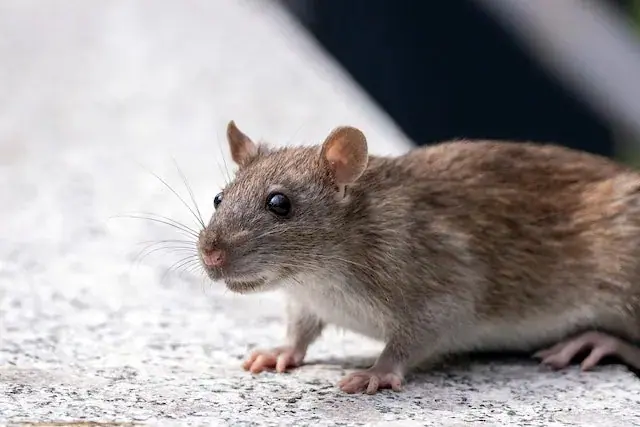 Rats
October 26, 2026
How Fast Do Rats Reproduce? The Rat Breeding Cycle in Florida
A roof rat can have several litters a year, and her young can breed within a few months. Here's what Florida DOH and university experts say about rat breeding, and why one rat in the attic is worth acting on.
Read more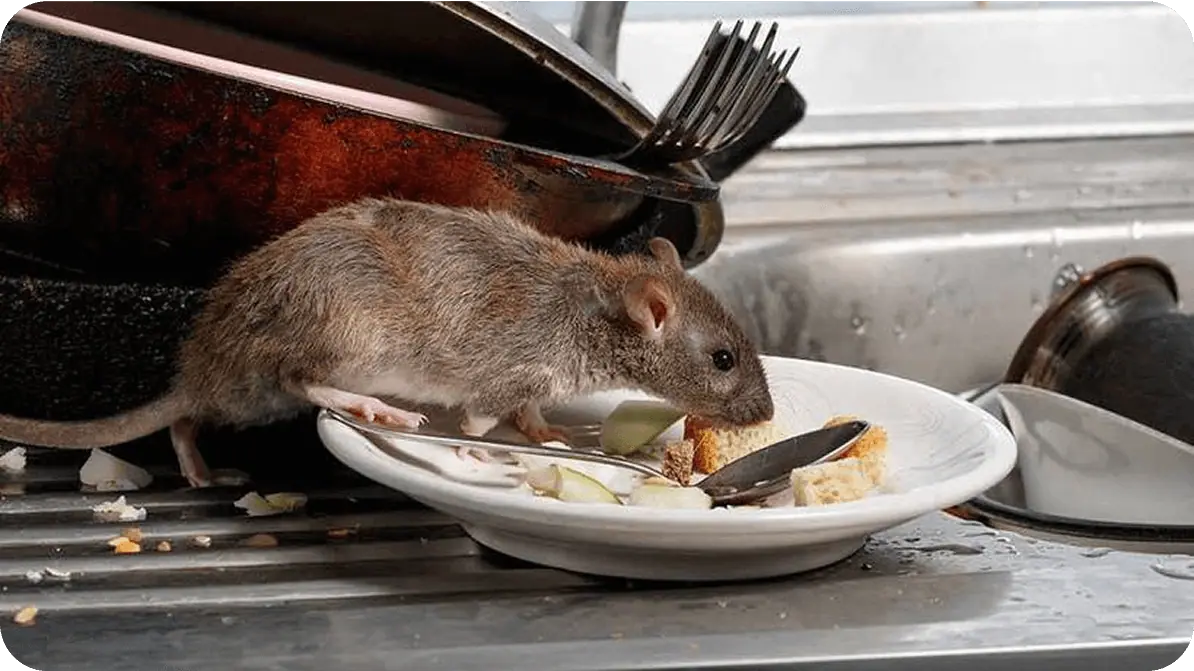 Rats
October 26, 2026
Rats in Your Car Engine in Florida: Signs and Prevention
Rats chew engine wiring and nest under the hood, especially in cars that sit. Here are the signs, why it happens, and what university experts say works to keep them out.
Read more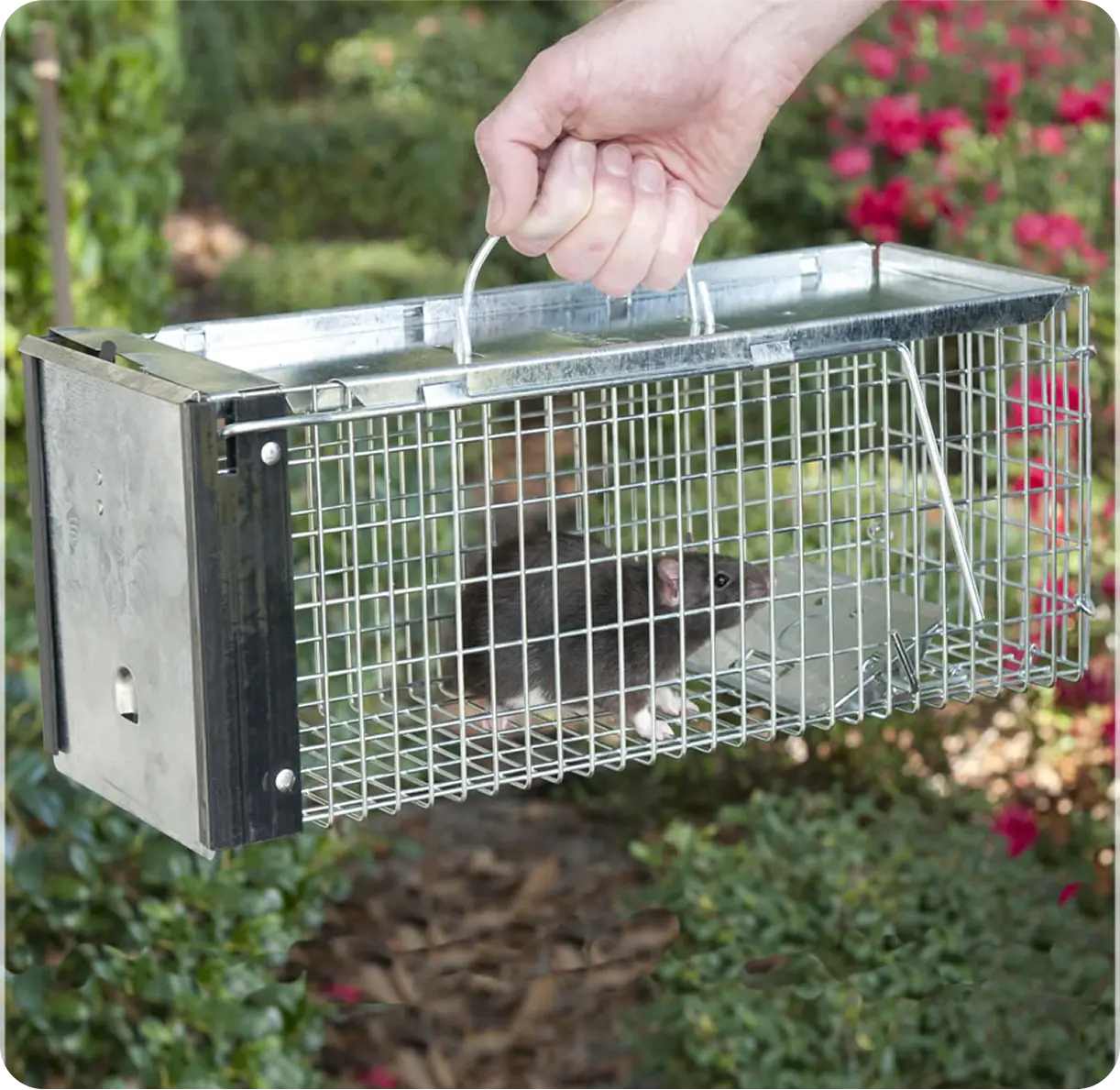 Rats
October 26, 2026
Rats in the Walls: How to Tell and What to Do in Florida
Scratching inside the walls at night usually means rats using the wall as a highway between the attic and food. Here's how to confirm it, how they get in, and why bait often ends with a smell.
Read moreRats in the attic tonight?
Call (844) 264-6254. We'll find how they're getting in and close it.
Serving Central Florida: Pasco, Pinellas, Hillsborough, Hernando, Citrus, Sumter, Polk and Marion counties.