What to Do About Raccoons
In this guide
- What to Do About Raccoons: A Guide to Raccoon Removal and Prevention
- 6 Common Signs You Have a Raccoon Infestation
- How to Handle a Raccoon Infestation on Your Property
- The Hidden Dangers of a Raccoon Infestation
- Reasons to Call a Professional Raccoon Removal Service
- Protect Your Home from Raccoon Infestations: Call Pro Wildlife Removal
What to Do About Raccoons: A Guide to Raccoon Removal and Prevention
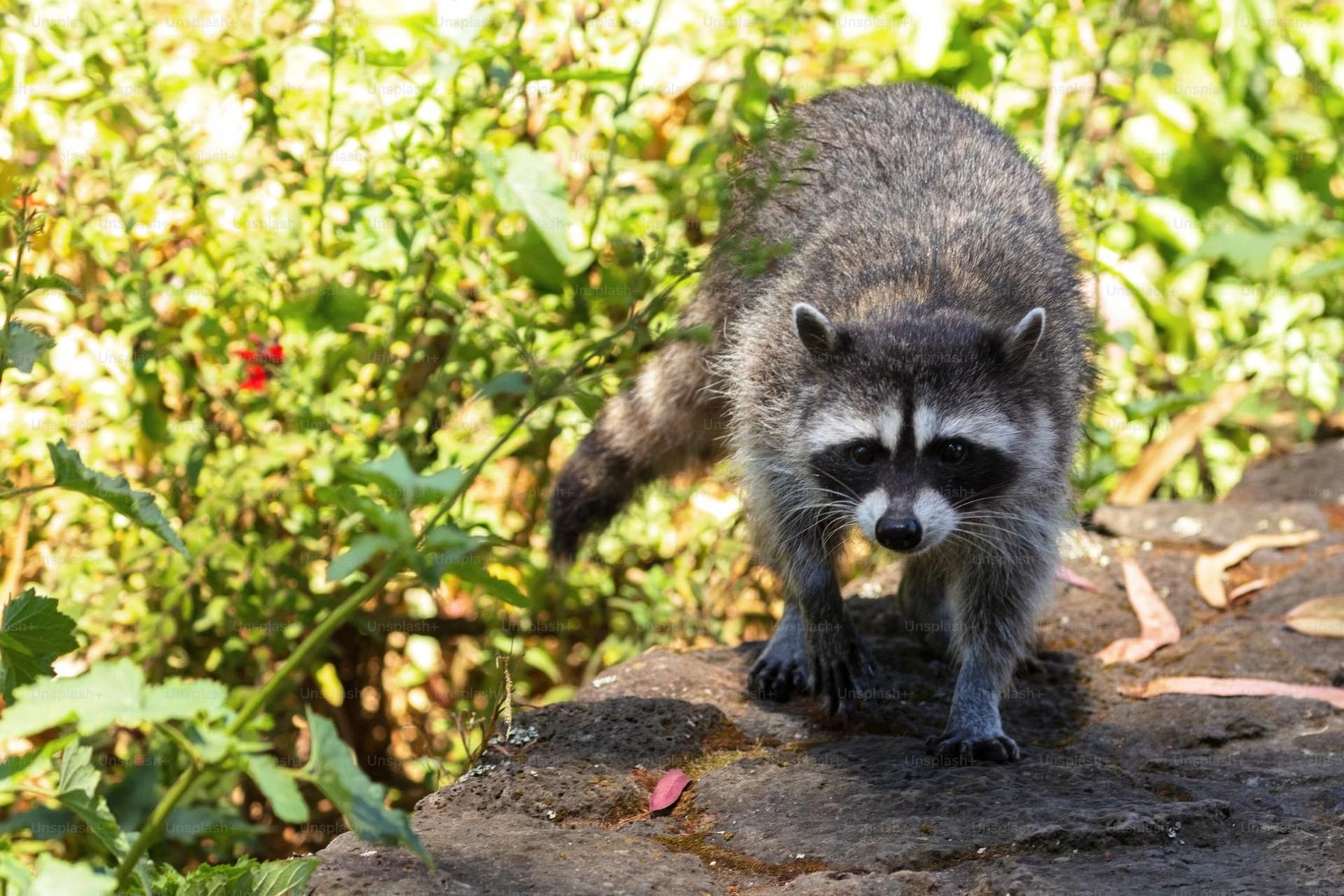
Raccoon problems are a regular concern for homeowners in Central Florida. These wild animals are widespread throughout Florida and are highly adaptable, often finding their way into attics, crawl spaces, and other parts of a home to create nests.
Nuisance wildlife, like raccoons, can cause significant damage to your property and pose serious health risks. From tearing apart insulation and chewing on wires to spreading diseases, raccoons can wreak havoc if left unchecked.
In this blog, we’ll guide you through everything you need to know about dealing with raccoon infestations, from recognizing the signs to choosing a raccoon removal service in Central Florida.
6 Common Signs You Have a Raccoon Infestation
Recognizing the early signs of a raccoon infestation can help you take action before the problem worsens. Here are common indicators that raccoons may have made your home their own:
1. Noises in the Attic or Walls
Raccoons are nocturnal, and you’ll likely hear them during the night as they search for food or move around their nesting area. Common sounds include scratching, scurrying, or thumping coming from your attic or walls. These noises are often the first clue that a raccoon has entered your home.
2. Visible Damage Around Your Property
Raccoons are known for their ability to break into homes through small gaps or damaged areas. Look for signs of torn screens, broken vents, or displaced shingles around your roof. You may also notice areas where raccoons have dug or scratched at the ground or walls in an attempt to enter.
3. Droppings or Urine Stains
Raccoon droppings are typically dark and cylindrical, and you may find them near entry points such as vents, chimneys, or the edges of your attic. The presence of urine stains or an ammonia-like odor is another indicator of a raccoon infestation. These waste products can also pose health risks, making it important to address the issue.
4. Chewed Wires and Torn Insulation
If raccoons have taken up residence in your attic, their nesting behavior can cause significant damage. They often chew on electrical wires and tear apart insulation, which not only causes structural damage but also increases the risk of fire hazards. If you notice exposed wires or shredded insulation, this is a strong sign of an infestation.
5. Trash Disturbances Outside
Raccoons are opportunistic feeders, and they often raid garbage cans, pet food dishes, or bird feeders. If you find that your trash has been scattered or your outdoor pet food has been disturbed, raccoons may be coming around regularly. This can be a sign that they are living nearby or even in your attic.
6. Nesting Materials
Raccoons often use materials like leaves, twigs, and shredded fabric to build their nests. If you notice these materials near entry points or in your attic, it could indicate a raccoon has made itself at home in your space.
How to Handle a Raccoon Infestation on Your Property
When dealing with a raccoon infestation in your home, it’s important to act early to minimize damage and prevent further risks. Raccoons are resilient animals that can cause a significant amount of destruction if they gain access to your home.
Here’s what to do if you suspect or discover raccoons in your home:
Step 1: Recognize the Signs of an Infestation
As discussed earlier, one of the first things you should do is recognize the signs of a raccoon infestation. Listen for noises coming from your attic or walls, check for visible damage around your home, and keep an eye out for raccoon droppings, urine stains, or torn insulation. If you notice any of these signs, it’s time to take action before the problem escalates.
Step 2: Contact a Professional Raccoon Removal Service
Attempting to deal with a raccoon infestation yourself can be dangerous. Raccoons can carry diseases like rabies, leptospirosis, and roundworms, and they can become aggressive if threatened. A safer way to handle the situation is to contact a wildlife control service in Central Florida.
Step 3: Inspect Your Property for Entry Points
Once you’ve contacted a professional removal service, the next step is an inspection of your home. Raccoons are notorious for finding small gaps in roofing, vents, chimneys, and attic spaces to gain access to your home. A raccoon removal technician will carefully inspect your property for any entry points and areas of damage.
Step 4: Seal Off Entry Points
After the raccoons are safely removed, it’s essential to seal any entry points to prevent future infestations. A professional raccoon removal service will remove the animals and seal access points, including cracks or holes in your roofing, walls, and foundation.
Step 5: Clean-Up and Contractor Repairs
Raccoons often tear apart insulation, ductwork and wiring. A professional service will handle the removal, and you can arrange any needed repairs with a contractor. They will clean up raccoon droppings and urine, which can be hazardous to your health, and properly dispose of any contaminated materials.
Step 6: Prevent Future Infestations
After removing the raccoons and arranging any repairs, the final step is to implement preventative measures to avoid future infestations. Professional raccoon removal services often offer exclusion services that include installing raccoon-proof barriers, screens, and other deterrents to keep them from entering your home again.
Step 7: Follow Up
Raccoon infestations can sometimes return if the issue isn’t fully addressed. Follow-up inspections help confirm the issue has been resolved and that your home remains secure, and they can catch new signs of raccoon activity.
The Hidden Dangers of a Raccoon Infestation
Raccoons may seem harmless, but they can pose serious risks to your home and health, especially in Central Florida where the warm climate and abundant food sources make the area well suited to these creatures. It’s important to understand the potential dangers of a raccoon infestation. Here are some of the key dangers of a raccoon infestation in Central Florida:
Health Risks
- Rabies: Raccoons are known carriers of rabies, which can be transmitted through bites or saliva. The Florida Department of Health says rabies is nearly always fatal in humans. It names raccoons and bats as the main wildlife sources of rabies in Florida.
- Leptospirosis: A bacterial infection that can spread through contact with raccoon urine, potentially causing symptoms like fever, headaches, and muscle pain. In severe cases, it can lead to liver or kidney damage.
- Roundworms: Raccoon feces can carry the eggs of raccoon roundworm. FWC says people may ingest the eggs after working or playing in areas contaminated with raccoon feces, and that the infection can damage the central nervous system.
Property Damage
- Structural Damage: Raccoons are known to chew through wood, insulation, and even electrical wires in your home. Over time, their nesting behavior can compromise the structural integrity of your property. This is especially problematic for Florida homeowners who may already deal with hurricane-related damage and need to protect their homes.
- Roofing and Attic Damage: As raccoons find ways to enter attics and crawl spaces, they can tear up roofing materials, damage shingles, and create holes that allow for further water damage and pest entry.
- Electrical Hazards: Raccoons chewing on electrical wires can lead to short circuits or even fires. This poses a significant safety threat to you and your home, especially in Central Florida where storms and power outages can already pose risks to electrical systems.
Secondary Pest Problems
- Once raccoons have established a nest, they often attract other pests, such as insects, rodents, or parasites, which can further damage your home and create additional health hazards. In Central Florida, these secondary pests can become even more problematic due to the region’s humid climate.
Understanding these risks highlights the urgency of removing raccoons from your property as soon as possible. In the next section, we’ll explain why relying on professional raccoon removal services in Central Florida is essential for handling these dangers effectively.
Reasons to Call a Professional Raccoon Removal Service
When dealing with a raccoon infestation in your home, professional removal services make the job safer. Raccoons are tricky and can cause significant damage. Here’s why:
- Knowledge of Raccoon Behavior: Professional wildlife removal specialists understand Central Florida wildlife behavior, including raccoons, and know where to find and how to remove them safely.
- Safe Removal: Raccoons can be dangerous and carry diseases like rabies and leptospirosis. Professionals have the equipment to handle them.
- Inspection and Exclusion: After removal, professionals typically inspect your home for entry points and seal them to keep raccoons from getting back in.
- Damage and Clean-Up: They often tear apart insulation, ductwork and wiring. Many professionals also offer clean-up services, and a contractor handles repairs.
- Legal Compliance: Florida has specific laws regarding wildlife removal. Professionals know these rules and make sure every step follows state regulations for safe and ethical treatment.
Hiring a professional raccoon removal service is a safer way to deal with raccoons and protect your home from further damage and health risks.
Protect Your Home from Raccoon Infestations: Call Pro Wildlife Removal
A raccoon infestation in your home can cause significant damage and health risks, especially in Central Florida, where raccoons thrive in the warm climate. Recognizing the signs early and seeking professional raccoon removal services helps prevent further issues. Professionals can remove the animals, identify and seal entry points, and help prevent repeat visits.
By choosing a professional wildlife removal company like Pro Wildlife Removal, you avoid the health hazards and stress of dealing with an infestation on your own.
Call Pro Wildlife Removal about raccoon trapping and removal: (844) 264-6254
To dig deeper, see our guides to signs of raccoons in your home, how raccoons get into houses, raccoon trapping rules in Florida and what to do if you find a baby raccoon. You can also learn about raccoon removal and raccoons in the attic across Central Florida, or call (844) 264-6254.