
Rats in Your Car Engine in Florida: Signs and Prevention
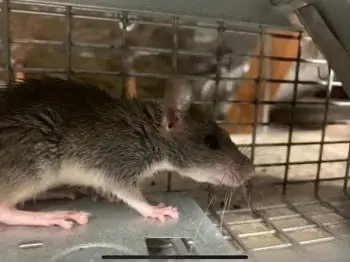
The short answer: rats nest in engine bays and chew the insulation on wires, which can cause costly breakdowns. Look for droppings, nesting material and chewed wires under the hood. Drive the car often, park away from food and clutter, and deal with the rats living near where you park. Call (844) 264-6254 if they're coming from the house.
Signs rats are in your car
- Droppings on top of the engine, the battery or the air filter housing.
- Nesting material such as leaves, insulation, paper or fabric packed into corners of the engine bay or the air filter box.
- Chewed wires, hoses or tubes, and warning lights or electrical problems that come out of nowhere.
- A bad smell from the vents when the fan or heat is on.
University of Illinois Extension lists the same signs for mice in cars, which can damage wires, tubes and upholstery and fill vital parts with nest material (Illinois Extension). The University of California's IPM program says rats commonly gnaw the insulation on engine wires, leading to malfunctions and expensive repairs (UC IPM).
Why Florida cars get them
A parked car offers warmth, cover and nesting material close to food. UF/IFAS Extension in Florida says rodents gnaw structural, mechanical and electrical parts (UF/IFAS). Around Florida homes, roof rats find plenty of shelter: UF/IFAS notes that a skirt of dead leaves on a palm creates rodent habitat, and that roof rats can jump three feet up and more than four feet across (UF/IFAS). A car parked under a palm or beside a woodpile is an easy target.
What works
- Drive it. Illinois Extension's first tip is to use your car often. A car that sits for days is a quiet shelter.
- Park away from food and nesting material, such as dumpsters, gardens, newspapers and cardboard boxes, and in a closed garage if you can (Illinois Extension).
- Remove what feeds them. UF/IFAS Extension in Pinellas County says to remove garbage, pet food, bird feed and fallen fruit (UF/IFAS).
- Trim palm skirts and limbs near the house, as UF/IFAS advises.
- Trap near the car. UF/IFAS Extension in Sarasota calls spring-loaded snap traps the recommended method for homeowners (UF/IFAS). Set them where children and pets can't reach.
- Use a cover that seals. UC IPM says a weighted car cover only works if it touches the ground all the way around (UC IPM).
What doesn't
Smells and sounds sold as repellents haven't held up. University of California experts say no plants have been proven to keep rats away and that high-frequency ultrasonic devices aren't effective in homes and gardens (UC ANR). Illinois Extension says it's unclear how well repellents work against mice. UC IPM notes rats chew through plastic and foam, so foam stuffed into gaps won't keep them out.
Fix the source
If rats keep coming back, they're probably living nearby, often in your attic or garage. UC IPM says lasting control usually takes work across the property and the neighborhood (UC IPM). See rat removal, rats in the attic and our post on rat damage to electrical wiring in the house.