RATS IN THE ATTIC
Rats in the Attic in Central Florida
Scratching in the ceiling after dark is the classic sign. Here's how to be sure it's rats, what they're doing up there, and what it takes to fix.
- Night noises
- Droppings and rub marks
- Entry points
- Same-Day Service
- Free Inspection
- 4.7 Google Rating
- Same-Day Service
- Free Inspection
- Sealed for Good
How do I know if I have rats in my attic?
Listen at night and look in the attic. Scratching and scurrying after dark, half-inch pointed droppings, greasy smudges on rafters and chewed wires mean rats, usually roof rats, which Florida DOH says like high places such as attics. The fix is sealing every gap, then trapping: see rat removal. Call (844) 264-6254.
- Noise after dark
- Half-inch droppings
- Greasy rub marks
- Seal, then trap
What to check
Five things to check in your attic
Take a flashlight, wear gloves and a mask, and don't touch anything with bare hands. These are the signs UF/IFAS and Florida DOH list for rats.
Droppings on the insulation
Roof rat droppings are up to half an inch long and spindle-shaped. Shiny black means fresh; gray and crumbly means old.
Smudges on the rafters
Dark, greasy marks where rats brush the same beam or top plate every night. Roof rats can leave curved swing marks on rafters.
Chewed wire and wood
Light-colored, splintery gnawing is fresh. Look closely at wiring, the edges of beams and the vent screens.
Paths through the insulation
UF/IFAS says rats use the same paths every night, usually along walls. In an attic, look for worn trails through the insulation along the edges.
A nest, and squeaking
Shredded insulation and debris piled in a protected spot. UF/IFAS notes young rats often squeak in the nest.
Rats or something else?
Is it rats, or squirrels?
Rats and squirrels are easy to confuse from below, and the timing usually settles it.
When you hear them
- At night, most in the hour after sunset and the hour before dawn
- In the day
Way in
- A gap as small as 1/2 inch
- Damaged soffits, vents, roof tiles
Breeding
- 6 to 8 young, up to 8 litters a year
- 1 to 4 young, spring and autumn
If the noise is in the day, read about squirrels in the attic. If it's a heavy thump at night, it may be raccoons.
Listen
What you hear, and when
UF/IFAS says rats are most active at night, and a Florida DOH guide calls rodents secretive. The pattern of the noise tells you a lot.
Soon after dark
Florida DOH says roof rats are most active in the hour after sunset and the hour before dawn. Scratching and quick runs across the ceiling after you turn in are the classic start.
Late at night
Gnawing, a steady scratch in one spot, and the odd scuffle. UF/IFAS notes rodents moving at night often scratch, gnaw and fight.
Squeaking from one place
High squeaks from the same corner, night after night, usually mean a nest of young.
Noise in the daytime
Rats out in daylight usually means a large population, food running short, or sick or poisoned rats. That's a reason to act now, not later.
What they're doing up there
What rats do to an attic
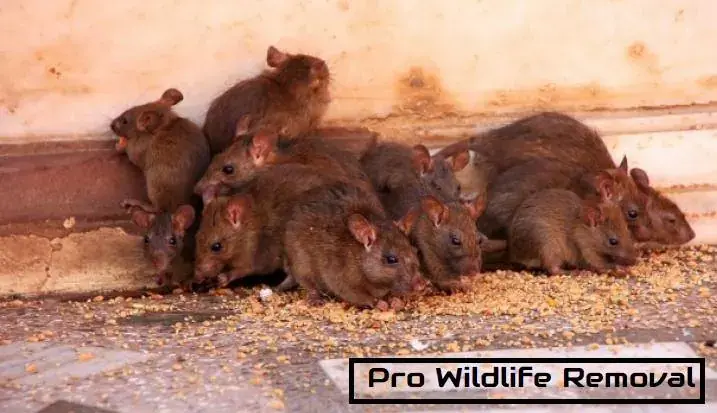
- Wiring. Rats gnaw to keep their ever-growing teeth short, and a Florida DOH guide warns they can cause fires by chewing the insulation on electrical wires.
- Insulation. They tunnel through it, nest in it and soil it with droppings and urine, which ruins what keeps your house cool.
- Your health. The CDC says rodents spread disease through droppings, urine, saliva and bites, and warns against sweeping or vacuuming droppings.
- More rats. Florida DOH says young roof rats become sexually active 2 to 3 months after birth, so a few rats in the fall can be many by spring.
When it can't wait
Call right away if you notice
A rat in the living space
A rat in the kitchen, a bedroom or a cabinet means they've found a way down from the attic or walls. Close the room off and call.
Chewed wiring
Bare or chewed wires in the attic are a fire risk, according to Florida DOH. Have an electrician check the circuit, and get the rats out.
A dead smell
A rat that dies in a wall or attic leaves a strong smell. Our dead animal removal page covers finding it.
Droppings near food
UF/IFAS Extension advises throwing out food you think rodents have touched, and keeping young children, pregnant people and anyone with a weak immune system away from soiled areas.
Getting them out
How to get rats out of an attic and keep them out
The full process is on our rat removal page. In short:
- 1
Close every gap
UF/IFAS says rat-proofing only works if it blocks every possible entry: roof returns, vents, plumbing stacks, A/C lines.
- 2
Trap those inside
The rats shut in by the sealing are trapped along their runways until the activity stops.
- 3
Show you the attic
Droppings, nests and soiled insulation are pointed out, along with chewed wiring.
What it usually takes
A typical rats-in-the-attic job, start to finish
- 1
Inspection
The roof, attic and outside walls are checked for every gap and the extent of the droppings.
- 2
Sealing
Openings are closed with rodent-resistant materials, all of them, so no new rats get in.
- 3
Trapping and checks
Rats shut inside are trapped. UF/IFAS warns rats probe new seals in the first two weeks, so the work is checked often then.
- 4
Final check
When the activity stops, the seals get a last look.
After the rats
Cleaning an attic after rats: the CDC steps
The CDC's steps for rodent droppings start with airing the space out for 30 minutes and putting on rubber or plastic gloves. Don't sweep or vacuum: soak the droppings and nesting in disinfectant or 1 part bleach to 9 parts water, wait five minutes, wipe up with paper towels, then disinfect the surfaces and wash your hands. That works for a garage shelf. An attic is a bigger job: heat, tight spaces and droppings spread through inches of insulation, which can't be wiped clean. Soiled insulation is bagged and removed, and the attic floor and framing are cleaned and disinfected.
- Soiled insulation noted in the inspection
- Droppings and nests located on the attic floor and eaves
- Chewed wiring flagged for an electrician
FAQ
Rats in the attic: common questions
Why are rats in my attic?
Shelter, close to food and water. Florida DOH says roof rats nest in trees and plants but generally like high places such as attics. UF/IFAS says rats climb wires, pipes, vines and trees to get into a building. Fruit trees, pet food and bird seed nearby help.
How long can rats live in an attic?
As long as the way in stays open. UF/IFAS gives a roof rat's life span as about a year, but the colony keeps going as young rats grow up. See how long rats can live in an attic.
Will the rats leave on their own?
Not while the attic gives them shelter and the gap stays open. The attic has to be sealed and the rats inside removed.
Are rats in the attic dangerous?
They can be. Florida DOH links chewed wiring to fires, and the CDC links rodent droppings and urine to disease. Don't sweep or vacuum droppings, and keep children out of the attic.
Can rats get from the attic into the house?
Yes. UF/IFAS says rats climb wires, pipes and rough walls, squeeze through cracks half an inch wide, and can even come up through toilets. A rat seen indoors means the attic problem has spread.
Is it safe to sleep with rats in the attic?
The main risks are chewed wiring, droppings and, less often, bites; UF/IFAS notes rats sometimes bite sleeping children. Florida DOH warns chewed wires can start fires, and the CDC links rodent droppings and urine to disease. Get it dealt with soon, and keep the attic hatch closed meanwhile.
Can I just put poison in the attic?
UF/IFAS Extension calls rodenticides a last resort, to be used only in tamper-resistant bait stations. Poison does nothing about the gap the rats use, and more will come.
Reviews
What customers say
- ★★★★★
Took care of my rat problem promptly.
Ryan B. Brown
- ★★★★★
Steve was absolutely fantastic! When two rats found their way into our attic, he responded promptly and efficiently. He not only removed them but also secured the area to prevent any future intrusions. On top of that, he thoroughly cleaned up afterward. Thank you so much for your exceptional service!
Lindsey Llovet
- ★★★★★
Pro Wildlife Removal got rid of the rats making a home under my house. Chris was was professional and courteous. He addressed my concerns. He was proactive in problem solving. Chris is an asset to Pro Wildlife Removal.
olevia sparks
Read more
More on rats in the attic
October 26, 2026
Dead Animal Smell in a Wall or Attic: What to Do in Florida
A rotten smell that gets stronger in one room usually means an animal died in a wall, ceiling or attic. Here's how to narrow down where it is, how to remove it safely, and why poison bait often causes it.
Read moreOctober 26, 2026
What Animal Is in My Attic? Sounds, Times and Droppings
When you hear it is the strongest clue: night means rats or another nocturnal animal, daytime means squirrels, dusk and dawn mean bats. Here's how to narrow it down by time, sound and droppings.
Read more Rats
October 26, 2026
How to Clean Up Rat Droppings and Nesting in a Florida Attic
Rat droppings and nests can carry disease, and health officials say not to sweep or vacuum them. Here are the CDC's steps, what to do with soiled insulation, and when to bring in help.
Read moreHearing rats overhead?
Call (844) 264-6254. We'll find the gaps and get your attic back.
Serving Central Florida: Pasco, Pinellas, Hillsborough, Hernando, Citrus, Sumter, Polk and Marion counties.