OPOSSUMS IN THE ATTIC
Opossums in the Attic in Central Florida
Shuffling overhead at night and a bad smell? It may be an opossum. Here's how to tell, how to get it out without a fight, and how to keep it out.
- Night shuffling
- Gaps closed with mesh
- Den found
- Same-Day Service
- Free Inspection
- 4.7 Google Rating
- Same-Day Service
- Free Inspection
- Sealed for Good
How do I get a possum out of my attic?
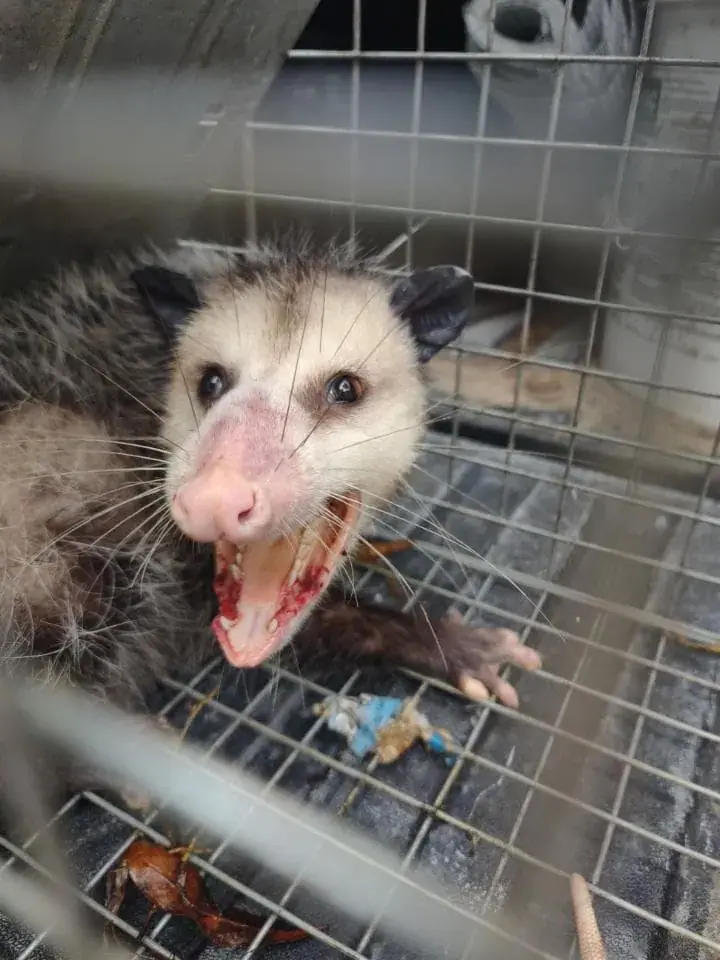
Make sure it's an opossum, wait until it leaves at night, then close the gap with sturdy wire mesh. If it won't leave, it can be live-trapped, checked every 24 hours, and released only on site or on 40+ acres in the same county with written permission. Details on opossum removal, or call (844) 264-6254.
- Mostly out at night
- Close gaps with mesh
- Daylight isn't illness
- Strict release rules
What to check
Signs it's an opossum
Movement at night
FWC and UF/IFAS describe opossums as mostly nocturnal. Expect shuffling and bumping after dark, and quiet in the day.
A gray animal with a bare tail
FWC describes pale to dark gray fur, a hairless, grasping tail and thumbs that can grip.
A foul smell
A frightened opossum can play dead and give off a foul smell, FWC says. Pets that corner one often come back smelling of it.
Easy food nearby
Pet food left out, open trash, bird seed and fallen fruit draw opossums to a house in the first place.
Listen
What an opossum sounds like
After dark
Opossums are mostly nocturnal, so expect slow shuffling, bumping and the occasional scrape once night falls, not the quick scurry of rats.
Before dawn
A return to the den and some settling. Then long quiet stretches in the day.
Hissing or growling
FWC says a threatened opossum hisses, drools and growls to bluff its way out. If your dog or cat finds it, that's the sound you'll hear.
Daytime movement
Not alarming on its own. FWC says opossums may be active in daylight, and that's normal behavior.
Opossum or raccoon?
Opossum or raccoon in the attic?
Both are out at night and both are medium-sized, so people mix them up.
Size
- About house-cat size
- Most weigh 8 to 15 pounds
Active
- Mostly at night
- Dusk through the night
When threatened
- Hisses, drools, growls, may play dead
- Don't corner one
Rabies
- UF/IFAS: nearly immune
- One of Florida's main wildlife sources
Babies
- Mostly born February to June
- Mostly born March and April
If it's a raccoon, read raccoons in the attic, because the release rules and the babies need more care.
What they do up there
What an opossum leaves behind
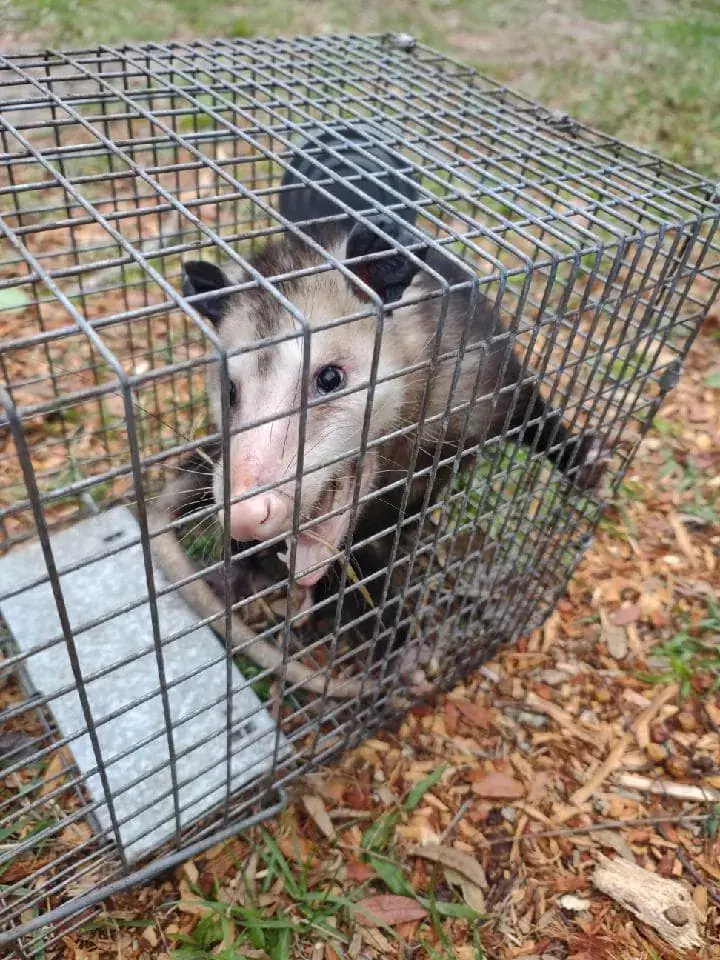
UF/IFAS says opossums don't dig their own dens. They move into spaces other animals made or that people left open, and an attic or crawl space with a gap qualifies.
- Torn screens and vents. FWC's advice to keep opossums out starts with repairing exterior screens and blocking vents with wire mesh, because that's how they get in.
- Soiled insulation. Droppings, urine and nesting build up where the opossum sleeps.
- Smell. A frightened opossum can give off a foul odor while playing dead, and a den area smells too.
What not to do
Don't make these mistakes
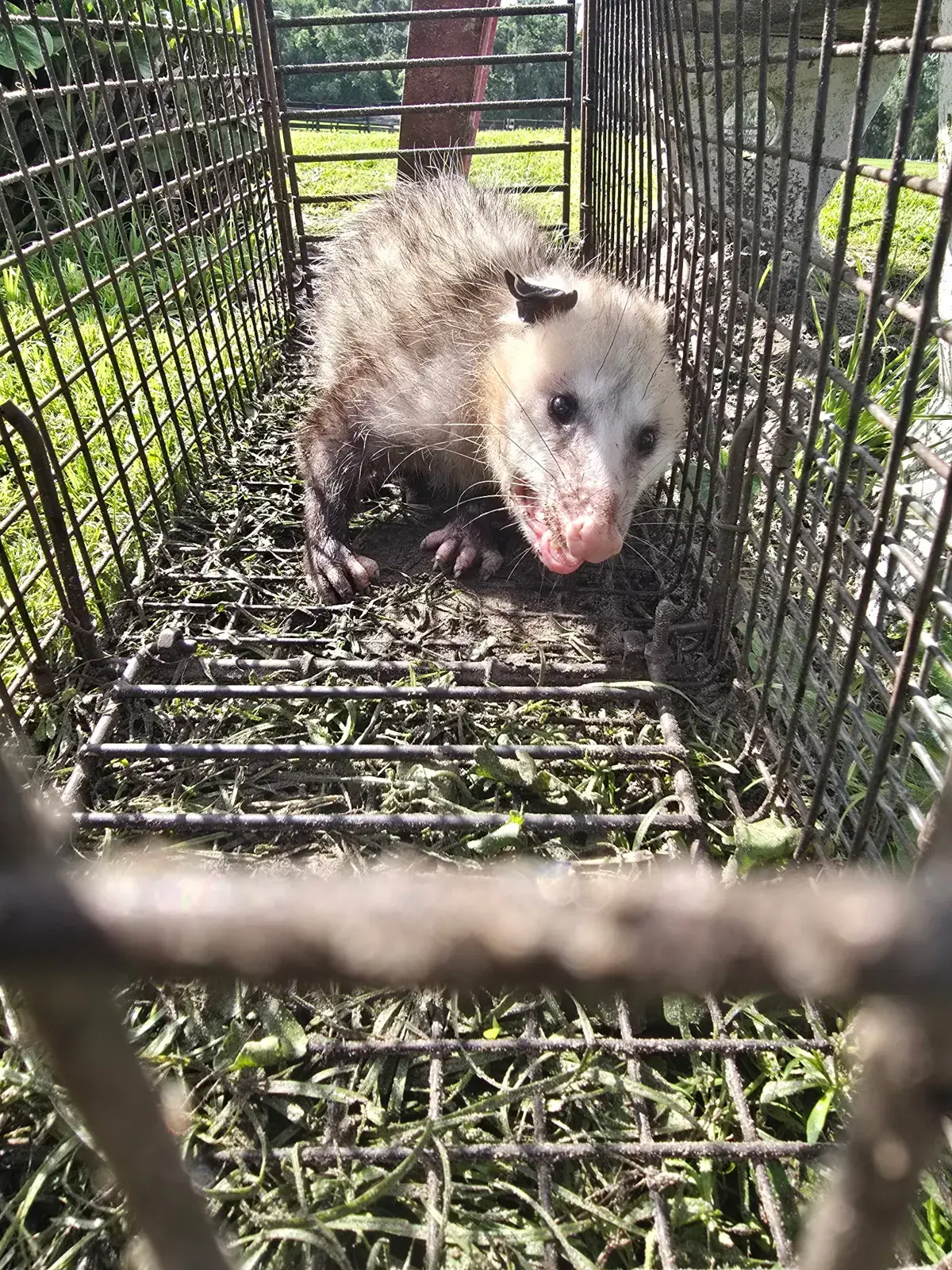
- Picking up a 'dead' opossum. FWC says an opossum that looks dead may be playing dead. Leave it alone, or move it gently with a shovel, and it will usually leave on its own.
- Sealing it in. FWC's advice is to close openings only once you're sure all the opossums are out. A motion-activated sprinkler near the entrance can discourage one from going back in while it's out at night.
- Driving it somewhere. A trapped opossum can only be released on the property, or on 40 acres or more in the same county with the landowner's written permission. Otherwise it must be humanely put down.
When it can't wait
Call right away if
It's in the living space
Keep pets and children away, close the inside doors and open an outside door. Don't grab it, even if it looks dead.
A smell that won't go
A strong smell that lasts may mean an animal died in the attic or crawl space. See dead animal removal.
Young left behind
Young opossums ride in the pouch and then on their mother's back. Babies on their own in the attic need help.
Florida rules
If you're thinking of trapping it
- Opossums can be taken as nuisance animals when they cause damage or a problem in, under or on a building (rule 68A-9.010).
- Live traps must be checked at least once every 24 hours, and other animals caught by mistake let go on the spot.
- Release on site, on 40+ acres in the same county with written permission, or humane euthanasia. Nowhere else.
- New FWC trapping rules start December 31, 2026. They change trap check times, allow remote (camera) checks, and require most people who trap to complete FWC's annual registration and training, which FWC says is at no cost. A homeowner using one regular-size cage trap (door up to 20 by 28 inches) on their own property, to catch nuisance or non-native wildlife, doesn't need registration, training or reporting. Nuisance animals moved off site must be released or put down within 12 hours of the trap check, down from 24. Details at MyFWC.com/TrappingRules.
What it usually takes
The usual order of an opossum job
- 1
Find the den
Locate where it sleeps and every gap it uses.
- 2
Get it out
Wait for it to leave at night, or live-trap it if it won't.
- 3
Close the gaps
Sturdy wire mesh over vents, openings and torn screens.
- 4
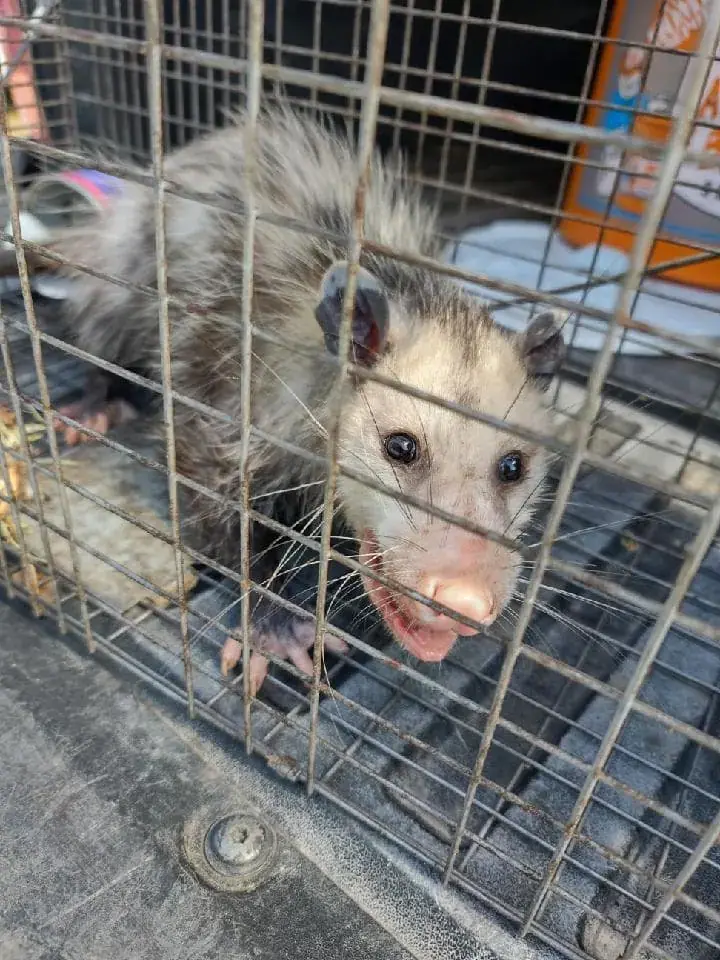
Show you the den
Droppings, nesting and soiled insulation pointed out.
Keep them out
Keeping the next one out
FWC is direct about it: removing one or more opossums doesn't stop others from using the same spot. So the job ends with a closed-up house. If you clear the den area yourself, wear gloves, bag droppings and nesting rather than sweeping them, and wash your hands after. Insulation the opossum soiled is easier to take out than to clean.
- Vents, gaps and torn screens blocked with wire mesh
- Trash secured and pet food brought in at night
- Fallen fruit and bird seed cleaned up
FAQ
Opossums in the attic: common questions
Why would an opossum be in my attic?
Shelter. UF/IFAS says opossums don't dig their own burrows. They use hollow logs, woodpiles, barns, abandoned buildings and other animals' burrows, so a gap into a quiet attic or crawl space works too.
I saw the opossum in daylight. Is it rabid?
Probably not. FWC says opossums are mostly nocturnal but may be active in the day, which is normal and not by itself a sign of illness. Rabies is also rare in opossums: UF/IFAS calls them nearly immune.
Is it a mother with babies?
Possibly, especially from February to June. FWC says the young ride in the pouch, then on the mother's back from about 80 days, so they usually move with her.
Will an opossum hurt my dog or cat?
Opossums try to bluff first. FWC says they hiss, drool and growl, and may play dead if the threat continues. Keep pets away from the den and don't let them corner it.
Do opossums eat rats?
They might. UF/IFAS describes opossums as opportunistic omnivores that eat insects, frogs, snakes, small mammals and carrion, along with fruit and garbage. An opossum isn't a fix for a rat problem, though: for that, see rat removal.
How do I keep opossums out of my attic and crawl space?
Once you're sure none are inside, repair screens and block vents and gaps with sturdy wire mesh, as FWC recommends. Bring pet food in at night and secure trash and fallen fruit.
Do opossums do any good?
Yes. FWC says they eat dead animals much like a vulture, eat ticks they find while grooming, and are at least partly immune to snake venom, so they'll eat venomous snakes. Just not in your attic.
Reviews
What customers say
- ★★★★★
Highly recommend! Had an issue at work with opossum removal, pro wildlife removal rapidly responded. Steve was professional, kind and efficient! He went above and beyond to ensure we all felt safe so we could continue on to have a great day. As an employer who works with many vendors for various things, I can honestly say that his effort, kindness and dedication were clear. Truly one of a kind.
Jessica Reynolds
- ★★★★★
I would highly recommend this company!!! The technician (Nelson Burgess) came out within an hour to remove a deceased opossum. It was a mama and he looked in the pouch and rescued the only surviving baby. So thankful for the quick service and the compassion to look for any surviving babies. I'm so thankful I chose this company.
Scarlett M
- ★★★★★
Brandon came out of his way to help remove a raccoon who had decided to use my front door mat for nap. Brandon was very polite and professional. He removed Ralph without issue and pretty quickly.
Cassandra Bronzo
Read more
More on opossums
OpossumsOctober 14, 2026
Opossums in Attics
If you suspect opossums in attics, you are not alone.
Read more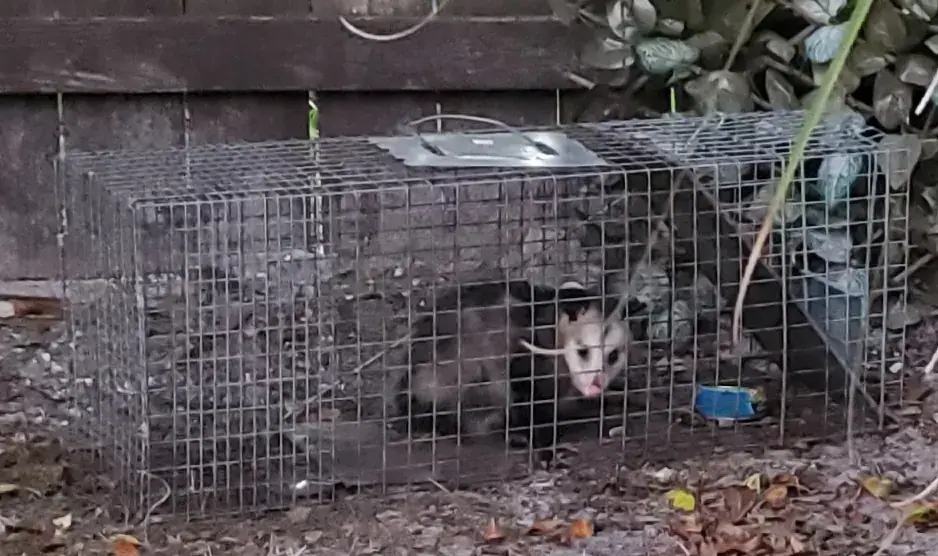 Opossums
July 10, 2026
Opossums Under House: Crawl Space Removal & Prevention
If you are finding opossums under house, you are not alone.
Read more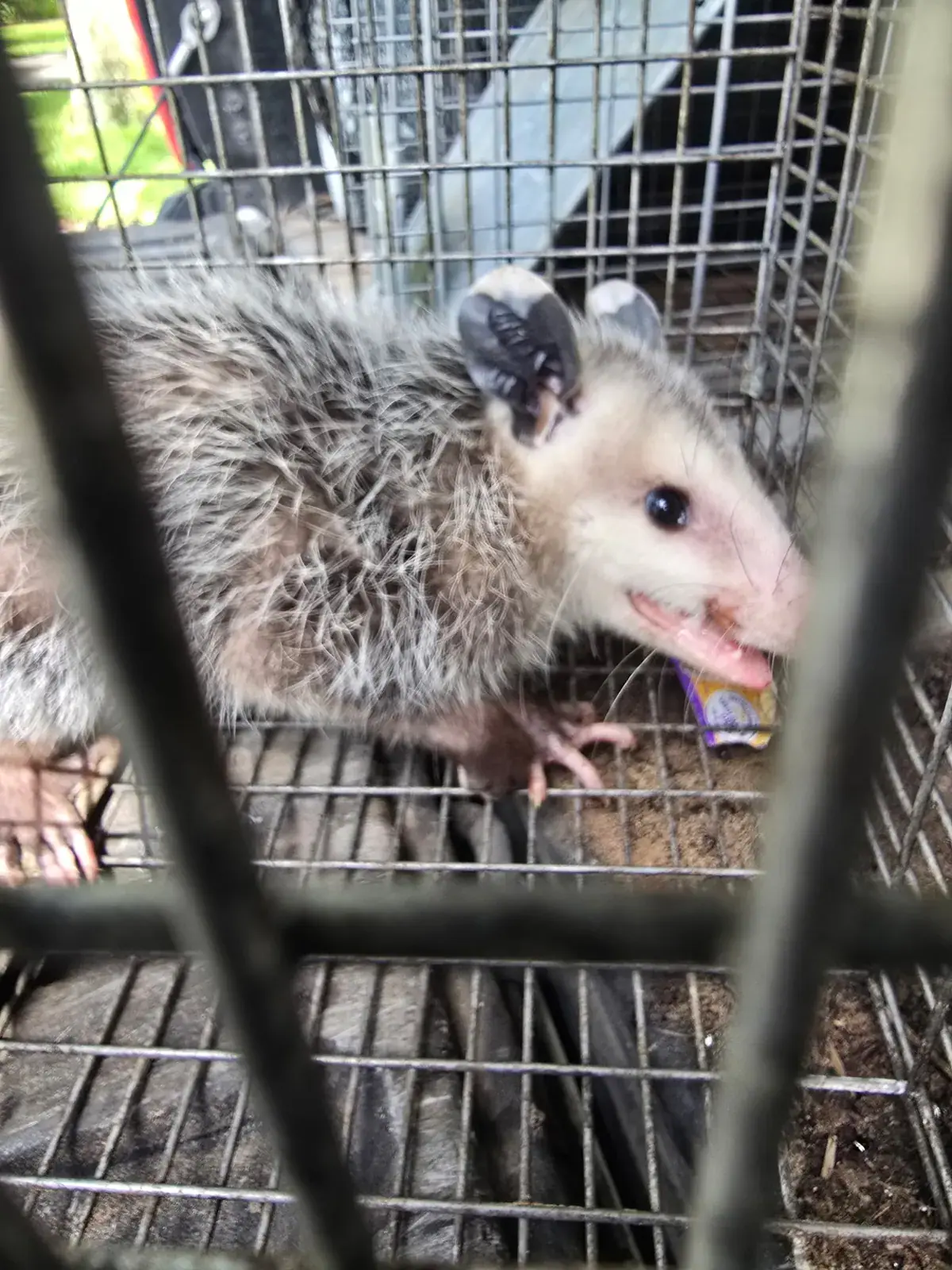 Opossums
October 20, 2023
How To Get Rid Of Opossums: Effective Strategies for a Pest-Free Home
Opossums are charming creatures in the wild, but when they decide to take up residence in your home, they can become a nuisance.
Read morePossum in the attic?
Call (844) 264-6254, and tell us where you hear it.
Serving Central Florida: Pasco, Pinellas, Hillsborough, Hernando, Citrus, Sumter, Polk and Marion counties.