Common Types of Animals Found Under Houses
- Pro Wildlife Removal
- Blog
Identifying Animals Living on Your Property
Discovering wild animals under your house or in your crawl space can be unsettling. Their presence can lead to unpleasant odors, noises, property damage, and health risks for your family. Animals like raccoons and rodents often seek shelter under houses for warmth and nesting. Understanding these animals and spotting signs of their presence helps you act early to prevent problems.
In this blog, we explore common house-dwelling wildlife, signs of their presence, and the risks they pose. We also share effective prevention and removal strategies to protect your home. Whether you’re dealing with an infestation or want to safeguard your property, Pro Wildlife Removal offers expert advice and services to keep your home wildlife-free.
What Types of Wild Animals Can Live Under Your House?
Florida’s diverse ecosystem attracts a wide range of wildlife, some of which may enter basements and crawl spaces seeking shelter and nesting opportunities. This warm climate and abundant natural habitats create an ideal environment for animals, often leading them under houses. This section explores common wildlife found in these spaces, how to identify their presence, and the problems they can cause homeowners.
Raccoons
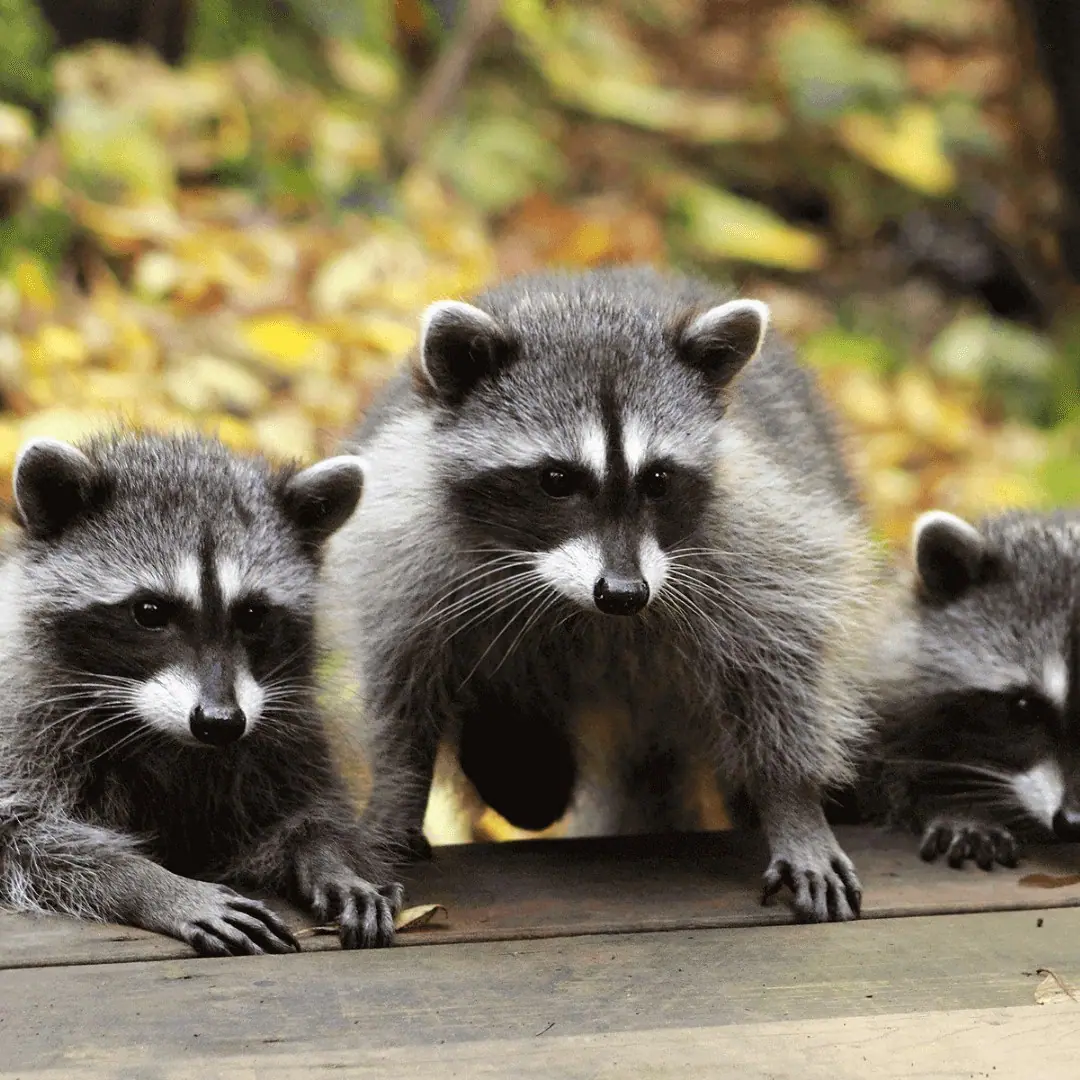
Raccoons are nocturnal creatures known for their dexterous paws and curiosity. They often seek shelter under houses, particularly in crawl spaces, during colder months or when raising their young.
- Behavior and Nesting Habits: Raccoons are opportunistic and adaptable. They prefer dark, quiet places for nesting and can be found in urban and suburban areas.
- Signs of Raccoon Presence: Look for overturned garbage cans, raccoon tracks, droppings, and noises at night.
- Potential Damage Caused: Raccoons can damage insulation, wiring, and ductwork. They may also create entry points by tearing through vents or siding.
Skunks
Skunks are easily recognizable by their black and white fur and infamous for their potent spray. They often burrow under houses for shelter and to create dens.
- Behavior and Nesting Habits: Skunks are primarily nocturnal and dig burrows for their dens. They are typically docile unless threatened.
- Signs of Skunk Presence: Signs include holes dug near the foundation, skunk tracks, and a distinctive musky odor.
- Potential Damage Caused and Odor Issues: Skunks can dig up lawns and gardens, and their spray can be challenging to remove from pets and property.
Opossums
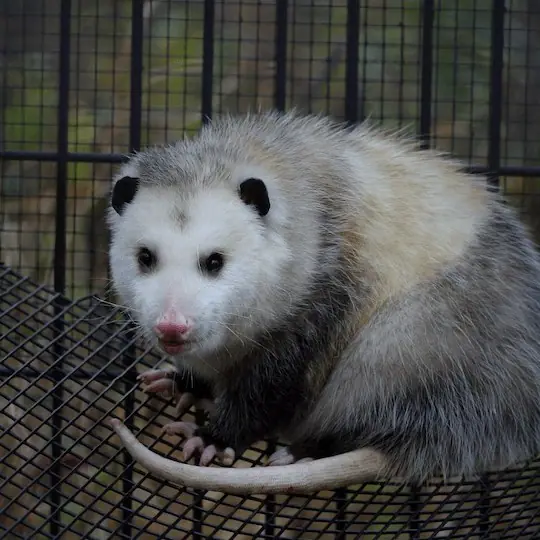
Opossums are solitary, nocturnal marsupials that often seek refuge under houses, especially in urban settings.
- Behavior and Nesting Habits: Opossums are scavengers and will eat almost anything. They use abandoned burrows or create nests in dry, sheltered areas.
- Signs of Opossum Presence: Look for droppings, tracks, and nesting materials. Opossums are also known to play dead when threatened.
- Potential Damage Caused: Opossums can chew through insulation and wiring, and their droppings can carry parasites.
Rodents
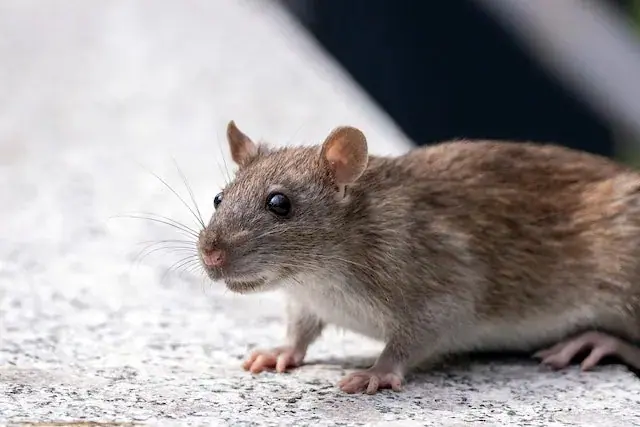
Rats and mice are common pests that can quickly infest homes, including spaces under houses.
- Behavior and Nesting Habits: These rodents are prolific breeders and can adapt to various environments. They build nests using materials like paper, fabric, and insulation.
- Signs of Rodent Presence: Droppings, gnaw marks, nests, and scratching noises are common indicators.
- Potential Damage Caused: Rodents can cause extensive damage by chewing through wires, insulation, and wood. They also pose health risks by spreading diseases.
Squirrels
Squirrels, particularly ground squirrels, may take up residence under houses to escape predators and harsh weather.
- Behavior and Nesting Habits: Squirrels are active during the day and build nests in sheltered areas. They often store food near their nests.
- Signs of Squirrel Presence: Look for chewed entry points, droppings, and daytime noises.
- Potential Damage Caused: Squirrels can chew through wood and wiring, leading to structural damage and fire hazards.
Snakes
Snakes may seek out the cool, dark areas under houses, especially in regions with hot climates.
- Behavior and Nesting Habits: Snakes are cold-blooded and seek out warm places to regulate their body temperature. They are attracted to areas with abundant prey, such as rodents.
- Signs of Snake Presence: Shed skins, droppings, and sightings of snakes around the property are common signs.
- Potential Risks and Damage Caused: While most snakes are harmless, some can be venomous. They can also scare residents and pets.
Bats
Bats may roost under houses, especially in crawl spaces or attics, due to their need for dark, quiet environments.
- Behavior and Nesting Habits: Bats are nocturnal and feed on insects. They form colonies and can squeeze through tiny openings.
- Signs of Bat Presence: Look for droppings (guano), stains around entry points, and rustling noises at dusk and dawn.
- Potential Risks and Damage Caused: Bats can carry diseases like rabies and histoplasmosis. Their droppings can also cause structural damage and unpleasant odors.
Signs You Have an Animal Infestation
Identifying the presence of animals under your house is crucial for early intervention and preventing potential damage. Various signs can indicate wildlife activity, and being aware of these can help you take timely action.
Visual Signs
Visual signs are often the first indicators of animal presence. Animal droppings can be quite distinctive; for instance, raccoon droppings are larger and often contain undigested food, whereas rodent droppings are small and pellet-shaped.
Tracks are another visual cue. You might notice animal tracks around entry points or in dusty areas under the house, with the size and shape of the tracks helping to identify the species.
Additionally, nesting materials such as shredded paper, fabric, and leaves can signal that animals are building nests under your home.
Noises
Noises are another telltale sign of animals living under your house. Scratching sounds, especially at night, often indicate the presence of rodents, raccoons, or other animals.
High-pitched squeaking sounds can be a sign of rodents or bats, while sounds of movement, such as scurrying or thumping, suggest larger animals like raccoons or opossums are nearby.
Odors
Odors can also reveal the presence of animals. A strong, ammonia-like smell can indicate the presence of rodents or other animals. The unmistakable, pungent odor of skunk spray is a clear sign that a skunk is living nearby. In more unfortunate cases, a foul smell may indicate a dead animal under the house.
Damage to Property
Damage to property is a significant indicator of animal presence. Rodents and other animals often chew on electrical wires, posing a fire hazard. Animals like raccoons, opossums, and rodents can tear up insulation to create nests, leading to potential structural issues. Additionally, holes or gaps in the foundation, vents, or siding can serve as entry points for animals seeking shelter under your house.
Recognizing these signs early can help you address the issue before it escalates, protecting your home from further damage and ensuring the safety of your family.
Risks and Dangers of Wild Animals Living in Your Home
Having animals under your house can lead to a variety of risks and dangers that affect both the structural integrity of your home and the health and safety of its occupants. Understanding these risks can highlight the importance of timely and effective wildlife removal.
Health Risks
Animals under your house can pose significant health risks. Many wild animals carry diseases and parasites that can be transmitted to humans and pets. For instance, raccoons can carry rabies and roundworms, while rodents are known to spread diseases such as hantavirus and leptospirosis. Additionally, droppings from bats can harbor histoplasmosis, a respiratory disease caused by fungal spores. Fleas, ticks, and mites carried by these animals can also spread to your pets and home, leading to further health issues.
Structural Damage
Wildlife can cause extensive structural damage to your home. Rodents and raccoons often chew through electrical wires, which not only damages your electrical system but also poses a serious fire hazard. Animals like raccoons and opossums can tear up insulation to create nests, reducing your home’s energy efficiency and increasing your heating and cooling costs. They may also damage wooden structures, ducts, and pipes, leading to costly repairs.
Secondary Infestations
The presence of one type of animal can attract other pests and lead to secondary infestations. For example, food sources left by raccoons or rodents can attract ants, cockroaches, and other insects. Additionally, the nesting materials and waste produced by these animals can create a breeding ground for bacteria and mold, further compromising the health and safety of your household.
Safety Concerns
Some animals can become aggressive if they feel threatened, posing a direct safety risk to homeowners and pets. Raccoons, for example, can be quite aggressive when cornered, and skunks may spray if they feel endangered. Snakes, particularly venomous species, can bite if disturbed, leading to potential medical emergencies.
Understanding these risks underscores the importance of addressing wildlife issues promptly. Professional wildlife removal services can help mitigate these dangers, ensuring your home remains a safe and healthy environment for you and your family.
How to Prevent Animals From Invading Your Home
Protecting your home from wildlife intrusions and unwanted visitors under your house requires proactive prevention strategies. Focus on these key measures to reduce the risk of animals taking up residence:
1. Seal Entry Points
Inspect and seal any gaps, cracks, or openings in your foundation, vents, siding, and roof. Use materials like heavy-gauge hardware cloth, metal flashing, or caulk to ensure these areas are secure and inaccessible to nuisance wildlife.
2. Secure Food Sources
Minimize attractants by securely sealing garbage bins and avoiding leaving pet food or birdseed outside. Keep outdoor areas clean and free of spilled food to discourage wildlife from lingering near your home.
3. Install Exclusion Devices
Install chimney caps, mesh screens over vents, and hardware cloth or wire mesh around crawl space entrances and cover small holes. Ensure doors and windows have tight-fitting screens and weather stripping to prevent animals from entering your living spaces.
By implementing these prevention strategies, you can protect your home from wildlife intrusions and create a safer environment for you and your family. Regular maintenance and vigilance are key to ensuring these measures remain effective over time.
Discovering an animal infestation under your home can be unsettling, but knowing how to respond can help manage the situation effectively:
What To Do If You Find Animals Under the House
Assess the Situation
First, assess the extent of the infestation. Look for signs such as droppings, nests, and noises to identify the type of animal and its nesting habits.
Contact Wildlife Removal Professionals
For safe and effective animal removal, contact licensed wildlife removal professionals. They have the expertise and tools to handle the situation without harm to the animals or your property.
Follow Professional Advice
Follow the advice of the wildlife removal experts. They will conduct a thorough inspection, implement removal strategies, and recommend preventive measures to avoid future infestations.
By taking prompt action and relying on professional wildlife removal services, you can resolve the animal infestation under your home efficiently and restore safety to your living environment.
Found Critters in Your Home? Call Pro Wildlife Removal!
Ready to take action to remove wildlife intrusions from under your home or crawl space? Contact Pro Wildlife Removal today for expert assistance in safely resolving infestations and securing your living space. Don’t wait to protect your home and family now.