Squirrel Poop Vs Rat Poop: How to Spot the Difference
In this guide
- Identifying Squirrel Poop vs Rat Poop
- Rat and squirrel pictures, side by side
- Health Risks of Rat Feces:
- Health Risks of Squirrel Feces:
- What About Mouse Droppings?
- Benefits of Professional Wildlife Removal:
- Prevention Tips to Deter Unwanted Squirrel and Rat Activity:
- Cleanup Procedures for Squirrel and Rat Feces:
- Conclusion
It’s a problem that many of us have faced at least once in our lives: pests. Whether they are big or small, rats and squirrels can wreak havoc on your home and property if left unchecked. But how do you tell the difference between the two? This article will explore the differences between squirrel poop vs rat poop to help you identify which one is causing damage to your house. On one hand we have squirrel poop; these droppings tend to be brownish-black in colour, with pointed ends, and may contain undigested seeds from their diet of nuts and fruits. On the other hand, rat poop depends on the species: the Internet Center for Wildlife Damage Management (ICWDM) describes Norway rat droppings as up to 3/4 inch long with blunt ends, and roof rat droppings as about 1/2 inch long with pointed ends. Rat droppings are usually black but may also be dark brown, grey or even lighter shades such as tan or yellow depending on what the rat has been eating. These little creatures can cause immense stress for homeowners who want to protect their homes from damage caused by either rodent species. By understanding the differences between squirrel poop vs rat poop, you’ll know exactly which removal steps are necessary to keep them away without endangering wildlife in the process.
Identifying Squirrel Poop vs Rat Poop
5 Ways To Identify Rat Droppings
Rat poop identification is crucial for homeowners facing potential rodent infestations. Recognizing rat droppings can help you take timely action to address the problem, safeguard your health, and protect your property from further damage. In this article, we’ll explore five ways to identify rat poop and provide insights into what to look for.
1. Size and Shape
A distinguishing feature of rat droppings is their size and shape. ICWDM says Norway rat droppings can measure up to 3/4 of an inch long with blunt ends, while roof rat droppings are about 1/2 inch long with pointed ends. Both are elongated, with a spindle or capsule-like shape. This shape is relatively consistent, making it easier to differentiate from the droppings of other pests.
2. Color
Rat droppings are usually dark in color, primarily black. However, the color can vary slightly depending on the rat’s diet. You may encounter rat poop in shades of dark brown, gray, or even a reddish-brown hue. It’s important to note that the color can change as the droppings age, so consider the overall appearance when identifying them.
3. Texture
Rat droppings have a somewhat smooth and glossy texture when fresh. Over time, they can become dry and crumbly. This texture can help distinguish rat poop from other feces that may appear more granulated or irregular in shape.
4. Clusters
Rats tend to leave their droppings in clusters or groups. You’ll often find multiple rat pellets grouped together at a single location. This clustering behavior can be a strong indicator of rat activity in your home.
5. Location
The location of rat droppings can provide valuable clues. Rats are nocturnal creatures and tend to be more active at night. Therefore, you may discover their droppings in areas where they feed, travel, or nest. Common places to find rat poop include dark corners, under sinks, near food storage areas, and along baseboards or walls. Additional Tips for Rat Poop Identification:
- Fresh rat droppings may have a slightly shiny or wet appearance due to their moisture content.
- Rat poop may appear scattered along their pathways or near entry points into your home.
- Consider wearing gloves and a mask when handling rat droppings, as they can carry disease-causing bacteria.
Conclusion: Identifying rat poop is a crucial skill for homeowners concerned about potential rodent infestations. Understanding the size, shape, color, texture, and location of rat droppings can help you take action to address the issue. Remember that rats can multiply rapidly, so early detection and prompt rat removal are essential for protecting your home. If you suspect a rat infestation, it’s advisable to contact a professional rat removal service to safely and efficiently address the problem and prevent future occurrences.
5 Ways To Identify Squirrel Droppings
Identifying squirrel poop is essential for homeowners to address potential squirrel infestations, protect their property, and ensure a safe living environment. In this article, we’ll explore five ways to identify squirrel poop and provide insights into what to look for.
1. Size and Shape
Squirrel droppings are relatively small compared to some other animal droppings. Squirrel poop has a cylindrical or tubular shape with pointed ends, resembling miniature capsules or elongated pellets.
2. Color
The color of squirrel droppings can vary based on their diet, but they commonly appear dark brown to black. However, they can also exhibit shades of brown or even tan, depending on the specific food sources available to the squirrels in the area.
3. Texture
Fresh squirrel droppings typically have a moist, soft texture. As they age, they can become drier and more brittle. Unlike some other types of animal feces, squirrel poop usually maintains a consistent tubular shape.
4. Location
Squirrels are known for their agility and tree-dwelling behavior. As such, you may find their droppings in locations associated with their activities. Look around areas like tree branches, attics, eaves, or rooflines, as these are common places for squirrels to traverse and leave their droppings.
5. Clusters
Squirrels tend to defecate in multiple locations, resulting in scattered droppings rather than concentrated clusters. These droppings may be found along their travel routes, near nesting sites, or in the vicinity of their food sources, such as bird feeders. Additional Tips for Squirrel Poop Identification:
- Squirrel droppings often contain undigested seeds and plant matter, reflecting their herbivorous diet.
- Unlike some other animal feces, squirrel poop typically lacks a strong or offensive odor.
- Exercise caution and wear gloves when handling squirrel droppings, as they can carry parasites and pathogens that may pose health risks to humans.
Conclusion: Recognizing squirrel poop is essential for homeowners concerned about potential squirrel infestations. Understanding the size, shape, color, texture, and location of squirrel droppings can help you take appropriate action to address the issue. While squirrels are generally not as destructive as some other pests, their presence can still lead to property damage and potential health risks. If you suspect a squirrel infestation on your property, consider contacting professional wildlife removal services to safely and effectively address the problem and prevent future occurrences.
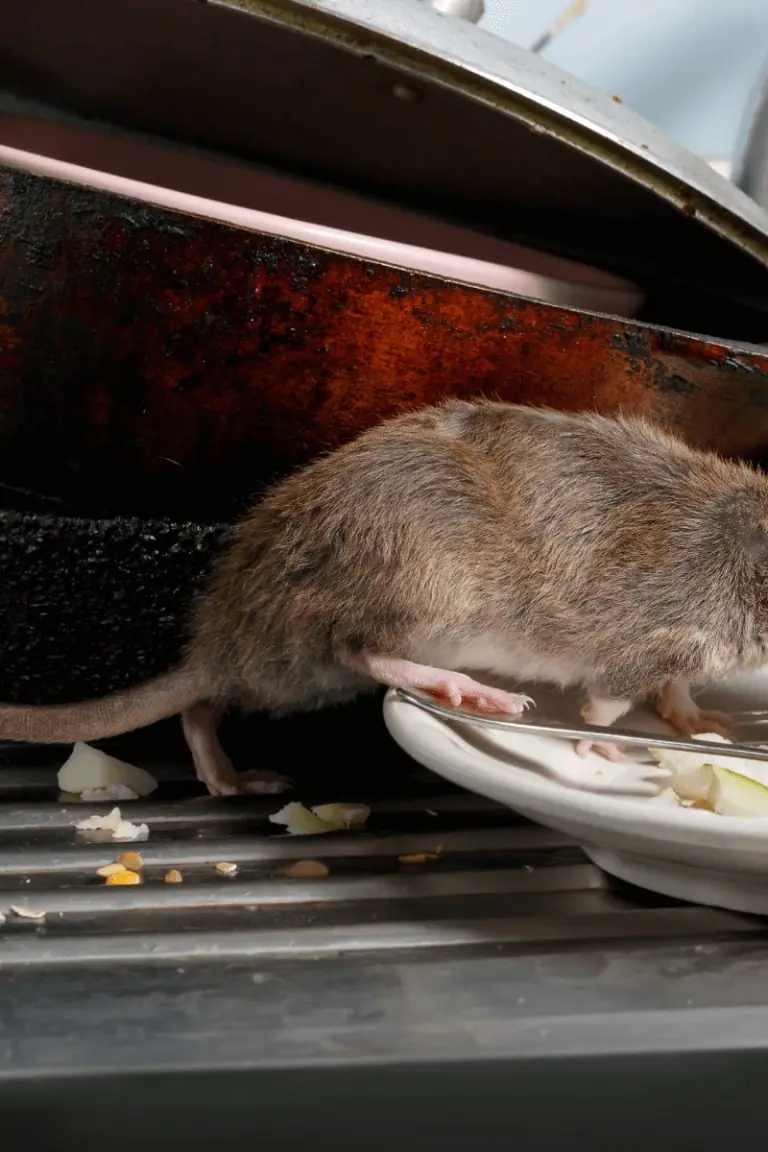
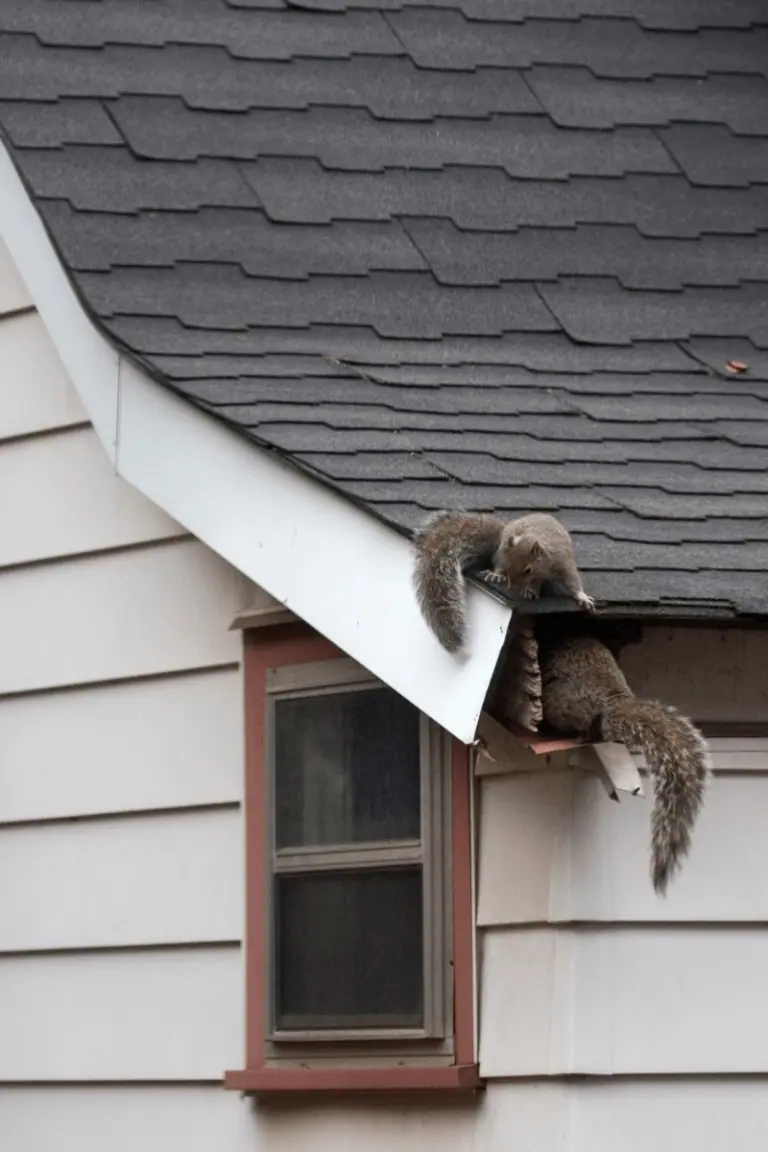
Rat and squirrel pictures, side by side
Health Risks of Rat Feces:
Rat feces carry a range of health risks, primarily due to the potential transmission of disease-causing bacteria and pathogens. Here are some key health risks associated with rats poop:
1. Salmonellosis
Rat droppings can be contaminated with Salmonella bacteria. If ingested, either through direct contact or by consuming contaminated food or water, it can lead to salmonellosis. Symptoms include diarrhea, abdominal pain, fever, and vomiting. In severe cases, salmonellosis can be life-threatening, particularly for vulnerable populations such as young children, the elderly, and individuals with weakened immune systems.
2. Hantavirus Pulmonary Syndrome
Hantavirus is a rare but potentially deadly disease that can be transmitted through the inhalation of airborne particles from rodent urine, droppings, or saliva. Initial symptoms may resemble those of the flu but can progress to severe respiratory distress, leading to hantavirus pulmonary syndrome (HPS). HPS can be fatal, and there is no specific treatment for the disease.
3. Leptospirosis
Rat urine can carry the bacteria that cause leptospirosis. People catch it through contact with water, soil or plants contaminated by the urine of infected animals (Florida DOH).
4. Rat-Bite Fever
Although more commonly transmitted through rat bites or scratches, rat-bite fever can also be contracted by eating or drinking food or water contaminated with rat droppings. This disease is characterized by fever, muscle pain, joint pain, and a rash. Without prompt treatment with antibiotics, rat-bite fever can become severe and life-threatening.
5. Allergic Reaction
Inhaling allergenic proteins found in rat urine, feces, and hair can trigger allergic reactions in some individuals. Symptoms may include sneezing, coughing, wheezing, skin rashes, and eye irritation. Prolonged exposure to rat allergens can exacerbate respiratory conditions such as asthma.
Health Risks of Squirrel Feces:
While squirrel poop may not carry as many diseases as rats poop, they still pose health risks, especially when they become airborne or when individuals come into direct contact with them. Here are some health risks associated with squirrels poop:
1. Allergic Reactions
Similar to rat feces, squirrel feces can contain allergenic proteins. These proteins may trigger allergic reactions in sensitive individuals, leading to symptoms like sneezing, coughing, and skin rashes.
2. Salmonella
Squirrels can carry Salmonella bacteria, and their feces can be a potential source of contamination. Ingesting or touching squirrel feces can lead to salmonellosis, with symptoms such as diarrhea, vomiting, and fever.
Conclusion:
Both rat and squirrel feces carry health risks that should not be underestimated. Proper handling and disposal of feces, as well as prompt removal of the animals, are essential for minimizing these risks. If you suspect an infestation of rats or squirrels on your property, it’s crucial to seek professional wildlife removal services to safely and effectively address the issue, reduce health hazards, and maintain a healthy living environment. Additionally, taking preventive measures, such as sealing entry points and practicing good hygiene, can help reduce the likelihood of exposure to these health risks.
What About Mouse Droppings?
Differentiating between mouse, rat, and squirrel poop is essential for choosing the right removal. Here’s how mouse poop differs from that of rats and squirrels:
1. Size
Mouse droppings are the smallest of the three, typically measuring about 1/8 to 1/4 inch in length. They are tiny, resembling dark grains of rice. In contrast, rat droppings are larger: up to 3/4 of an inch for Norway rats and about 1/2 inch for roof rats.
2. Shape
Mouse droppings are elongated with pointed ends and often slightly curved. Norway rat droppings have blunt ends and roof rat droppings have pointed ends, while squirrel droppings are tubular with pointed ends.
3. Color
Mouse droppings are typically dark brown or black, but their color can change with age. Rat droppings are usually black but may vary depending on their diet, ranging from dark brown to tan or yellow. Squirrel droppings also exhibit color variations, often ranging from blackish-brown to white, depending on their diet.
4. Quantity
Mice tend to produce a higher quantity of droppings compared to their size, leaving numerous small pellets in their wake. Rats and squirrels produce larger, fewer droppings in comparison.
5. Location
Mice tend to leave their droppings in small, scattered clusters along their pathways, making their presence evident in multiple locations. Rats and squirrels may also scatter their droppings but tend to leave them in more concentrated areas or near their nesting sites.
By recognizing these differences, you can identify the type of rodent infestation you’re dealing with and take appropriate removal measures to address the issue effectively.
Benefits of Professional Wildlife Removal:
When grappling with a rodent infestation, it’s crucial to consider the advantages of professional wildlife removal services. Wild animals, if left unchecked, can inflict severe damage, and the feces of these rodents pose substantial health risks to humans and other species. A wildlife removal professional can handle trapping and exclusion so you don’t have to handle the animals or their droppings yourself.
These professionals not only provide secure and compassionate solutions for ridding your premises of rodents but also take proactive measures to thwart future infestations. They employ techniques such as trapping nuisance animals, implementing exclusion strategies to fortify your home against unwanted intruders, and sealing gaps to eliminate potential entry points. Additionally, they offer invaluable advice on managing any future issues that may arise.
Bringing in a professional wildlife removal company can give you peace of mind about the hazards that come with wild animal infestations, while also looking after the welfare of the animals.
Prevention Tips to Deter Unwanted Squirrel and Rat Activity:
It’s no secret that rodent activity, including pesky squirrels and rats, in and around your home can be both displeasing and a potential health hazard. So, what proactive measures can you take to discourage these unwelcome critters from invading your space? Here are some prevention tips to help keep these pests at bay.
First, establish a routine for inspecting both the exterior and interior of your property to detect signs of pest activity. Keep an eye out for telltale indications such as chew marks on wires, furniture, or other household items, as these may signal the presence of rodents nearby. Consider installing window screens and sealing any cracks or holes in your walls, particularly those in proximity to pipes or utility lines, which often serve as common entry points for rodents.
Lastly, maintain proper food storage practices and adhere to a regular garbage disposal routine to avoid luring these creatures with enticing scents. In cases where preventive measures fall short, and you find yourself grappling with an infestation, do not hesitate to reach out to a professional wildlife removal service. A professional can then find how the animals are getting in and deal with them.
Cleanup Procedures for Squirrel and Rat Feces:
Once you’ve identified the presence of squirrels and rats on your property, it’s crucial to take steps to prevent their return. Even with preventative measures in place, these critters may still find their way back into your home or yard. In such instances, knowing how to properly clean up their feces is essential.
While it may be an unpleasant task, these droppings need to be removed and disposed of safely. The CDC advises against sweeping or vacuuming rodent droppings, since that can put tiny droplets containing viruses into the air. Instead, put on rubber or plastic gloves, spray the droppings with a bleach solution or an EPA-registered disinfectant until very wet, let it soak for 5 minutes, then wipe them up with paper towels and throw the towels in a covered garbage can. Finish by mopping or sponging the area with a disinfectant.
It’s worth noting that leaving pet waste or any organic material lying around is ill-advised, as decomposing feces can attract additional pests like flies and other insects. Promptly addressing these cleanup tasks not only safeguards against potential diseases but also promotes a healthier environment for all.
Conclusion
When it comes to squirrel and rat feces, the main thing to do is keep them out from entering your home or property in the first place. Take steps such as sealing up entry points, disposing of food properly, and keeping outdoor areas clean to limit any unwanted wildlife activity. However, if prevention isn’t enough, it’s important to enlist the help of a professional wildlife removal service to help reduce the health risks. A professional can help identify what type of droppings you have on your property and handle the cleanup after the animals are removed, which limits your family’s contact with them.
If you suspect that your home has been invaded by squirrels or rats, it’s important to act early to limit potential health hazards. The presence of animal droppings can cause the spread of dangerous diseases and contaminate the air quality in your home.
At Pro Wildlife Removal, we can help you identify the type of animal droppings present in your home and remove them. Don’t risk your health and well-being by attempting to remove these droppings yourself. Contact us to schedule an appointment.
If you are still unsure what left the droppings, compare them with our guides to what rat poop looks like, cleaning up rat droppings in a Florida attic and working out which animal is in your attic. For help in Central Florida, read about rat removal, squirrel removal and squirrels in the attic, or call (844) 264-6254.